Historian Susan Rugh argues that the period after World War II marked the peak of the American family road trip. Rising middle‑class incomes, paid vacation, expanding car ownership, and massive federal highway investments made long‑distance travel comfortable and affordable.
Veterans eager to show their children the freedoms they fought to protect often headed to Washington, D.C., historic battlefields, and the nation’s majestic national parks—symbols of American democracy. Traveling together strengthened family bonds and “provided a way to educate children as citizens,” Rugh writes.
Racial Barriers on the Open Road
For Black families, the open road was far from free. Segregated facilities and discriminatory practices persisted nationwide, prompting the creation of guidebooks like the Green Book to help Black travelers find safe lodging and services. “The experience is totally different,” says Allen Pietrobon, a Trinity University professor who teaches a course on road trips. “It’s not carefree.”
These injustices contributed to the passage of the 1964 Civil Rights Act. Senate hearings cited stories such as a Black business owner in St. Petersburg, Fla., who was turned away from a motel even after offering to pay double, forcing his family to sleep in their car.
Entrepreneurial Spirit Along the Highways
Entrepreneurs seized the opportunity to serve travelers. Unique roadside attractions—like the concrete teepee rooms of Wigwam Village or the world’s largest nutcracker—sprang up alongside motels, diners, and service stations. “Americans are hucksters,” Rugh notes. “If somebody has an attraction, somebody else is gonna serve lemonade or hamburgers right by it.”
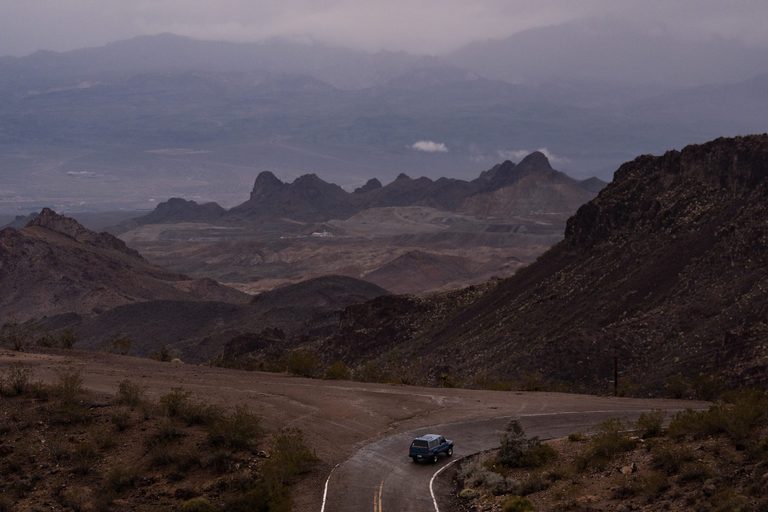
Route 66, commissioned in 1926 and fully paved by the late 1930s, celebrated its 100th anniversary this year. Once dubbed the “Main Street of America,” it inspired songs such as Bobby Troupe’s 1946 hit “(Get Your Kicks on) Route 66,” recorded by Nat King Cole.
Modern Travel vs. the Journey
Today’s interstates bypass many small towns, offering chain‑store gas, food, and lodging just off the exit. Air travel further reduces chances for local interaction. Yet some travelers still seek the slower, more personal experience of older highways, stopping to talk with locals and enjoy unexpected sights.
Rugh encourages drivers to explore historic routes: the Lincoln Highway across the Midwest, Arizona‑to‑Canada Highway 89, or California’s scenic Highway 1. As Pietrobon observes, the journey itself often matters more than the destination, echoing the spirit of Jack Kerouac’s classic novel.
Original reporting: Alexandria, VA News – WTOP News — read the source article.