Maryland’s agricultural sector – the state’s top‑earning commercial industry – is confronting a perfect storm of difficulties, according to officials and growers speaking at the Maryland State Fair in Timonium. Climate variability, federal tariff policies, regulatory burdens and the rising price of farmland are all cited as factors that are tightening the margins for family farms across the state.
Climate and weather volatility
Farmers reported that swings in temperature and precipitation patterns have become more pronounced in recent years, making planting and harvesting schedules less predictable. Unseasonal heat, heavy rains and occasional droughts are forcing growers to adjust crop selections and invest in new equipment to mitigate losses.
Federal trade and regulatory environment
Many Maryland producers pointed to the impact of federal tariff measures on both imports and exports. While some tariffs aim to protect domestic industries, growers say the resulting trade friction can raise the cost of inputs and limit market access for Maryland’s agricultural products. In addition, regulatory requirements at the federal level are described as adding compliance costs that small and mid‑size farms struggle to absorb.
Land values and affordability
The price of farmland in Maryland has surged, driven by demand from developers and investors. This escalation makes it increasingly difficult for new farmers to acquire land and for existing operators to expand or modernize their operations. Several growers expressed concern that the high cost of land threatens the long‑term viability of family‑owned farms that have been pillars of their communities for generations.
Governor Wes Moore’s remarks
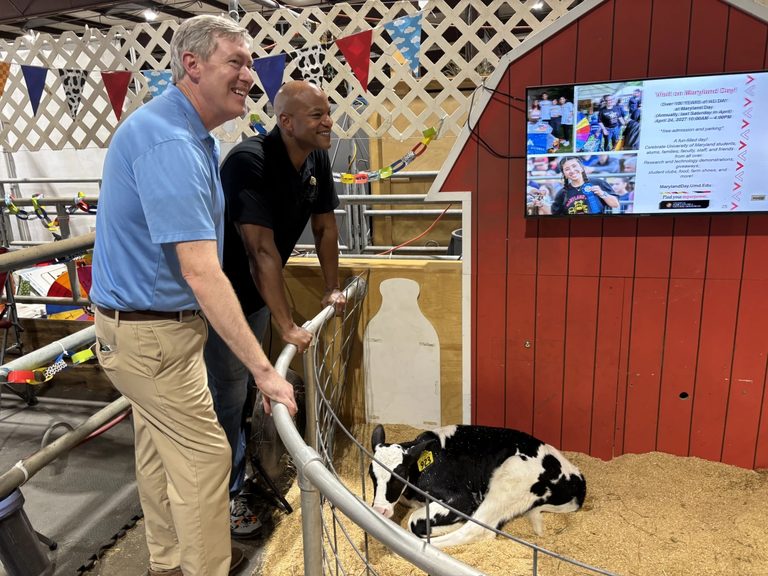
Speaking at the fair, Democratic Governor Wes Moore highlighted the cumulative effect of these pressures, stating that Maryland’s farmers feel “under consistent assault.” Moore criticized the current administration’s trade and regulatory approach, suggesting that federal policies are contributing to the hardships faced by the state’s agricultural community.
Context and local impact
The fair, which showcases horse racing, competitions, food, rides and community contests, provides a yearly platform for the state’s agricultural sector to connect with the public. For many attendees, the event underscores the importance of farming to Maryland’s economy and cultural heritage.
Local leaders and farm bureaus are calling for greater state support, including initiatives that could help mitigate the effects of climate change, provide assistance with compliance costs, and explore ways to make farmland more affordable for new entrants. While the governor’s comments focus on federal policy, state officials emphasize that collaborative solutions between state and federal agencies are essential to sustain Maryland’s farming legacy.
As the fair continues, farmers and policymakers alike will be watching for concrete actions that can address the intertwined challenges of climate, trade, regulation and land affordability, ensuring that Maryland’s agricultural tradition remains strong for future generations.
Original reporting: Baltimore Fishbowl — read the source article.