While many families worry that the price of a Thanksgiving feast is climbing, economists point out that the final bill often depends on when and where shoppers buy their groceries. Two recent analyses offer contrasting snapshots of the holiday meal cost, giving consumers a clearer picture of how to stretch their budgets.
Farm Bureau Survey Shows Higher Average Cost
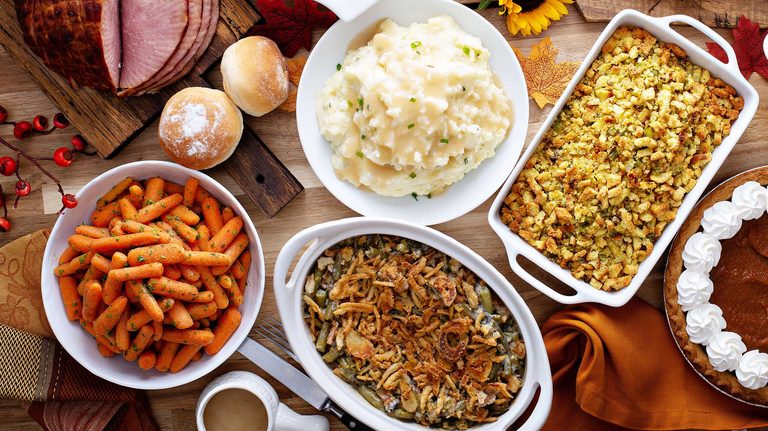
The American Farm Bureau Federation (AFBF) released its 41st annual survey, indicating that the average cost of a traditional Thanksgiving dinner for ten people now stands at $58.63. That figure represents an increase of just over $3 compared with last year’s average. The rise was driven primarily by higher prices for staple items such as dinner rolls and cranberries, with turkey experiencing the largest year‑over‑year jump.
“This is the first year since our 2022 survey that we have seen a year‑over‑year increase,” said AFBF economist Cameron Castillo. Castillo linked the uptick in grocery prices to elevated diesel costs, noting that the ongoing conflict with Iran has pushed fuel prices higher. “When something as critical to the supply chain as diesel is elevated, then you’re going to see high costs translate into a higher grocery bill for Americans,” he explained.
Wells Fargo Analysis Finds Slight Decline
In contrast, a separate report from Wells Fargo’s Agri‑Food Institute found that the average cost of a classic Thanksgiving meal actually fell by 0.4% compared with the previous year. The analysis accounted for the impact of retailer promotions and sales that the Farm Bureau snapshot does not capture.
“The deals are a big deal,” said Dr. Michael Swanson, chief economist at the institute. He highlighted that many retailers roll out deep discounts on holiday staples during the final two weeks before Thanksgiving, hoping to draw shoppers into the store where they may purchase additional, higher‑margin items.
Swanson added, “The retailers are losing some money on that sale, but they’re going to make it up somewhere else. They know most of us are pretty undisciplined when we walk into the store, and we’re going to throw a bunch of stuff in the shopping cart that we didn’t plan on, and that’s where the money is.”
Consumer Sentiment and Practical Tips
A recent LendingTree survey revealed that more than half of respondents say inflation is affecting their holiday budget. Some families are considering changes such as using more coupons, adjusting food choices, or even trimming the guest list. Nearly two‑thirds of potential hosts indicated they might need to rely on credit cards or buy‑now‑pay‑later loans to cover the gathering.
Matt Schulz, chief consumer finance analyst at LendingTree, urged shoppers to plan ahead. “Make a list and comparison shop before heading to the store. Don’t be afraid to keep it simple and ask guests to pitch in,” he said. “It’s really important for people to understand that, as much as we all want to make Thanksgiving memorable, the last thing your friends and family want is for you to take on a bunch of debt over a party.”
Takeaway for Shoppers
The mixed data suggest that while baseline prices for key items may be higher, strategic shopping can still keep the overall cost of a Thanksgiving dinner manageable. Consumers who monitor retailer flyers, shop during promotional windows, and stick to a prepared list are likely to see the most savings.
By staying informed about price trends and taking advantage of sales, families can celebrate the holiday without compromising their financial well‑being.
Original reporting: WLWT Cincinnati — read the source article.