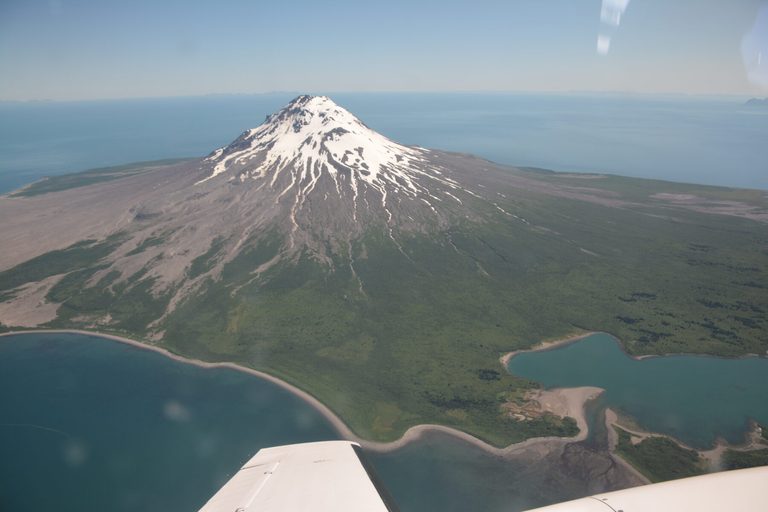
On November 4, the Board of Directors of the Alaska Industrial Development and Export Authority (AIDEA) authorized an equity investment of up to $10 million in GeoAlaska LLC. The Anchorage‑based, majority Alaskan‑owned company is developing the Mount Augustine geothermal project on Augustine Island, a venture the board says will bolster Alaska’s energy security and create good‑paying jobs.
Why the investment matters
Board Chairman Bill Kendig emphasized the need for a diverse energy supply, noting that geothermal power can provide firm, baseload renewable electricity for existing demand, new industries, and the state’s military installations. “Geothermal energy has the potential to produce firm, baseload renewable power that can support our existing demand, new industries, and our military for generations to come,” Kendig said.
The investment will give AIDEA a substantial ownership stake, a voting seat on GeoAlaska’s board, and the ability to help guide further development of Alaska’s geothermal resources.
Federal support and resource potential
GeoAlaska also received a conditional grant from the U.S. Department of Energy for up to $8 million to drill the Kamishak No. 1 exploration well. The grant covers site preparation, drilling, coring, logging and flow testing. The National Laboratory of the Rockies, with a campus in Fairbanks, will serve as a sub‑recipient, providing laboratory analysis and resource assessment.
State exploration permits were issued in 2022, and a third‑party estimate now places the resource’s potential at up to 224 megawatts. For context, the Railbelt’s winter peak demand—from Homer to Fairbanks—is about 750 megawatts.
Local leadership backs the project
GeoAlaska President Paul Craig, a longtime Alaskan resident, praised AIDEA’s vision, saying the partnership paves the way for Alaska to become a national leader in geothermal energy. Governor Mike Dunleavy echoed this sentiment, calling Cook Inlet “quite possibly the richest energy basin on the planet” and highlighting geothermal as a major component of the state’s future energy mix.
AIDEA Executive Director Randy Ruaro added that the investment promises “tremendous upside” for both the agency and Alaskans, delivering reliable power, economic opportunity, and affordable, sustainable energy.
Next steps for the Augustine Island project
The development will proceed in stages. The first phase involves drilling a single confirmation well to measure reservoir temperature, permeability, and fluid chemistry. Results will inform subsequent financing rounds, front‑end engineering and design, and the drilling of up to 44 production and injection wells. Ultimately, the plan calls for building power‑generation facilities and a transmission line to connect the output to the Railbelt grid.
Governor Dunleavy noted that the geothermal project will help address the Cook Inlet natural‑gas supply crisis and stabilize utility bills for Alaskans. He also said the project will lay the groundwork for gigawatts of clean baseload power that can support statewide economic growth.
Implications for Alaska’s economy
Beyond the immediate energy benefits, the project is expected to generate construction jobs, long‑term operations positions, and ancillary economic activity in the region. By diversifying the state’s energy portfolio, the investment aligns with Alaska’s broader goal of reducing reliance on imported fuels and enhancing energy independence.
As the project moves forward, AIDEA’s involvement ensures that the state retains a strategic voice in the development of one of Alaska’s most promising renewable resources.
Original reporting: Must Read Alaska (Anchorage) — read the source article.