The NFL has set its Thanksgiving Day slate — Bears at Lions, Eagles at Cowboys, Bills at Chiefs — and the decision to pack divisional games into the holiday is sparking plenty of eye rolls from fans in Detroit, Chicago, Philadelphia, and beyond. This piece looks at why stacking meaningful divisional matchups on Turkey Day hurts the fan experience, why Detroit in particular keeps getting the short end of the stick, and why holiday football should feel optional rather than mandatory for households across the country.
The league announced the full NFL schedule with all the usual showmanship, but the Thanksgiving matchups themselves were revealed and promptly criticized. Games are set to start at 12:30 p.m. with Bears vs. Lions, followed by Eagles vs. Cowboys at 4:30 p.m., and Bills vs. Chiefs at 8:30 p.m. That lineup might read like a ratings bonanza on paper, but it forces serious games into a day meant for family and food.
What really gets fans is the decision to put divisional contests on a holiday when casual viewing should be the point. Divisional games carry playoff implications and deep emotional weight, so asking fans to split attention between a close rivalry and a dinner table is tone deaf. The NFL has treated Thanksgiving as appointment TV and a chance to sell the product as essential viewing instead of something to enjoy casually.
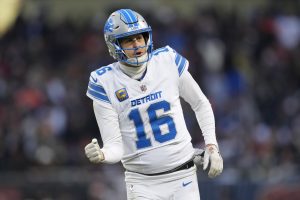
Detroit fans feel this more than most, because the Lions have been on the receiving end of repeat holiday hosting duties. Detroit will host a divisional opponent on Thanksgiving for the fourth straight year, following matchups with Green Bay in 2025 and 2023 and Chicago in 2024. That pattern makes Thanksgiving a scheduling burden for Lions supporters who want to enjoy the holiday without the pressure of a make-or-break football game.
The practical problems are obvious: people travel, houses are crowded, and backyard setups or shared TVs do not make for an ideal sports-watching environment. When a game is meaningful, viewers are expected to follow every drive, but holiday distractions mean missed plays and fractured attention. That hurts fans who are invested in the outcome and it undercuts an easy, communal holiday vibe where football is background noise rather than center stage.
It is also worth noting the business side. The NFL markets these games as premium matchups to broadcasters, which boosts ad revenue and turns Thanksgiving into a showcase. Those incentives are understandable from a league perspective, but they come at the expense of the fan experience. The league can have its marquee moments without turning every holiday into prime-time playoff practice.
Compare this to the NBA’s Christmas Day schedule and the contrast is clear. Many NBA games on December 25 feel like pleasant background entertainment that families can dip into throughout the day. They do not demand the same emotional investment that a divisional NFL game requires. If the NFL treated Thanksgiving football the same way, viewers could enjoy games without feeling like they are choosing between a hometown result and a family gathering.
Putting divisional matchups back where they belong — most Sundays or on non-holiday primetime windows — would ease tension and improve competitive fairness. Teams playing on short rest or traveling for a stacked holiday slate face disadvantages that matter when playoff spots are on the line. The league should balance commercial goals with the reality that fans deserve a holiday where football fits comfortably into the background.
At the end of the day, Thanksgiving should belong primarily to the people who celebrate it, not to networks or marketing teams. Fans will always tune in for great teams and star players, but the NFL does not need to make the most meaningful games mandatory viewing on a day meant for family and food. Keep the drama for Sundays and let Turkey Day be a lighter, more relaxed football experience for everyone.