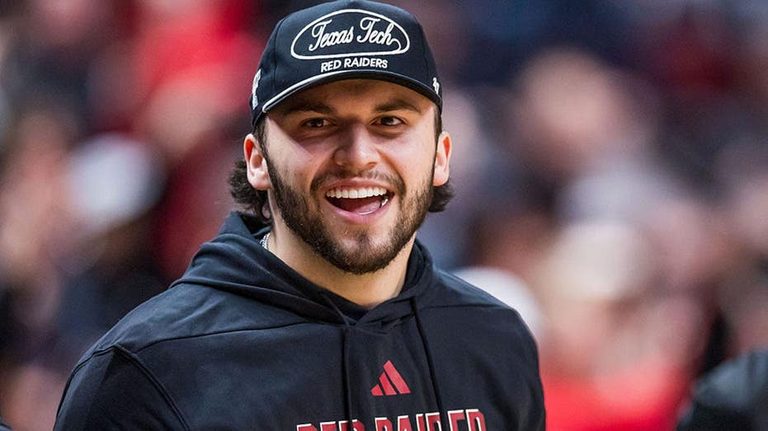
In a significant legal development, Texas Tech quarterback Brendan Sorsby has secured a court injunction against the NCAA, allowing him to participate in the upcoming 2026 football season. The decision comes after Sorsby was found to have placed numerous bets on his own team while previously enrolled at Indiana University. His legal team argued that his gambling was linked to a mental health disorder, which should have been considered by the NCAA in their disciplinary actions.
Legal Battle and Court Ruling
The legal proceedings took place in a Lubbock, Texas district court, where Judge Ken Curry ruled in favor of Sorsby. The court found that Sorsby would suffer irreparable harm if he were not allowed to play, thus granting the temporary injunction. This decision prevents the NCAA from prohibiting Sorsby from practicing or playing with Texas Tech’s football team for the 2026 season.
Despite the injunction, Sorsby will still face a suspension for the first two games of the season. This suspension was part of a proposed punishment negotiated between Sorsby’s representatives and the NCAA.
Background of the Case
Sorsby’s gambling activities were first reported during his time at Indiana, where he admitted to placing at least 2,900 wagers totaling over $30,000. Among these were 40 bets on Indiana football games, although Sorsby was not actively participating in those games at the time. His legal team emphasized that none of his bets compromised the integrity of the games.
The NCAA’s decision to rule Sorsby ineligible was primarily based on the volume of his betting activities. However, his attorneys argued that the NCAA’s policies should support athletes struggling with gambling addiction, rather than impose punitive measures.
Implications for College Athletics
This case highlights the ongoing tension between college athletes and the NCAA regarding enforcement of rules and the consideration of mental health issues. The outcome of Sorsby’s case may set a precedent for how similar cases are handled in the future, potentially influencing NCAA policies on gambling and mental health.
As college athletics continue to navigate these complex issues, the role of mental health and its impact on athletes’ behavior remains a critical area of discussion. The decision in Sorsby’s case may prompt further examination of how institutions like the NCAA address such challenges.
Original reporting: Fox News (HLL/CB) — read the source article.