Texas families are confronting a growing food‑security crisis as the state’s Supplemental Nutrition Assistance Program (SNAP) backlog swelled to over 150,000 pending new applications in August 2026. The figure, released by the Texas Health and Human Services Commission and obtained by the nonprofit Texans Care for Children, marks a dramatic increase since the start of the year.
Backlog numbers raise alarm among advocates
“This is alarming,” said Diana Forester, director of health policy at Texans Care for Children. “It is very strange to me — I can’t believe it’s as big as it is.” Forester’s remarks underscore the urgency felt by organizations that serve low‑income families, many of whom rely on SNAP benefits to purchase nutritious food.
SNAP, a federal nutrition assistance program, has seen its overall coverage decline over the past year, leaving more households to navigate limited resources. As the backlog grows, families risk longer wait times before receiving benefits, forcing difficult choices about meals, medical care, and other essential expenses.
Food insecurity trends in North Texas
Regional data from Feeding America, a national network of food banks, indicate that food insecurity in North Texas has been on the rise since 2021. The organization’s estimates point to a steady climb in the number of households unable to afford adequate nutrition, a trend that aligns with the expanding SNAP backlog.
Community leaders and faith‑based groups have long emphasized the importance of stable nutrition for children’s health, academic performance, and overall family stability. The current backlog threatens to undermine those efforts, especially in neighborhoods where welfare programs already face criticism and budget pressures.
State response and next steps
While the source material does not include a direct statement from the Trump administration, the Texas Health and Human Services Commission has historically worked with federal partners to streamline application processing and increase outreach. Advocates hope that continued collaboration will help reduce the backlog and restore access to vital food assistance for those in need.
Stakeholders are urging policymakers to consider additional funding for SNAP enrollment staff, improved technology for application tracking, and public‑information campaigns to ensure eligible families are aware of the program’s benefits.
What families can do
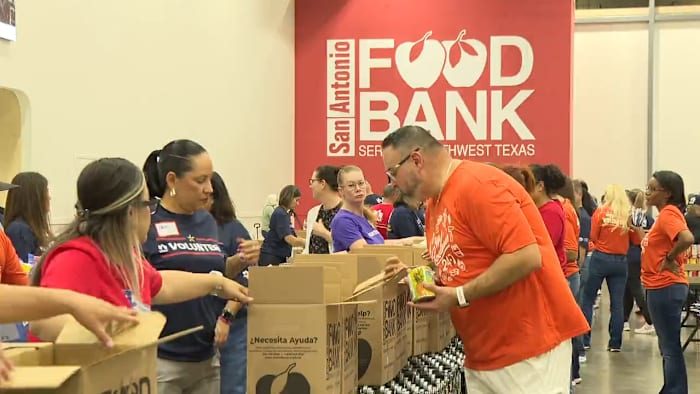
Families awaiting SNAP benefits are encouraged to check the status of their applications regularly through the state’s online portal or by contacting local HHS offices. Community organizations, churches, and food banks continue to offer supplemental food distribution programs to bridge the gap while applications are processed.
As the backlog persists, the combined efforts of state agencies, nonprofit advocates, and faith‑based groups remain critical to safeguarding the nutritional well‑being of Texas’s most vulnerable residents.
Original reporting: Dallas TX News (HLL/CB) — read the source article.