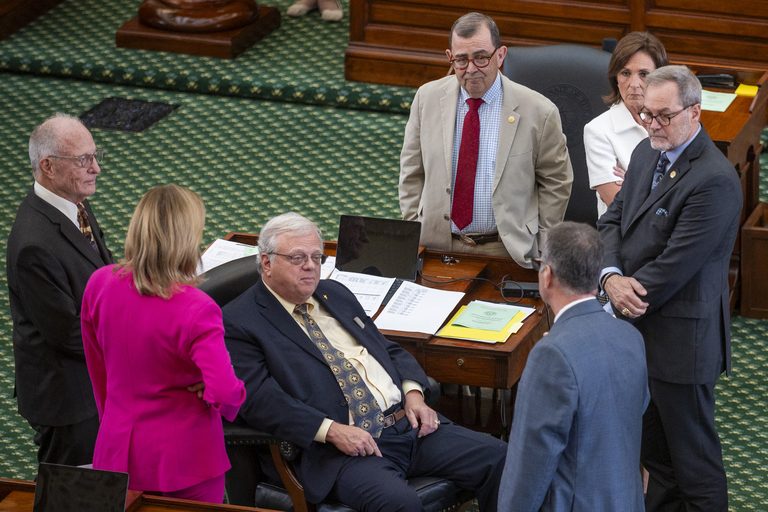
When Vikki Goodwin was elected the first Democratic lieutenant governor of Texas since 1999, she entered a role traditionally dominated by the Republican‑controlled Senate. The Senate, set to convene in January with a 19‑seat GOP majority, now holds the key to whether Goodwin can exercise the full range of powers once wielded by former Lt. Gov. Dan Patrick.
Republican majority as the party’s final lever of power
Senators will control the chamber rules that determine the lieutenant governor’s authority. Those rules, adopted at the start of each legislative session, have historically given the lieutenant governor control over committee assignments, bill referrals, and floor scheduling. With the GOP retaining 19 of the 31 seats, the party retains the “last great hope” to block or reshape parts of a Democratic agenda that it finds objectionable, according to Sen. Charles Schwertner.
Potential rule changes
Under current rules, the lieutenant governor presides over the Senate, appoints committee chairs, and decides which bills reach the floor. Republicans could amend those rules to shift the most critical powers to a party leader elected by the Senate caucus, similar to the U.S. Senate’s majority leader. Public‑relations consultant Garrett W. Fulce warned that such a change would prevent a Democratic lieutenant governor from forcing votes that Republicans oppose, and would compel Democratic senators to take votes they would rather avoid.
Historical context
Dan Patrick, a former Republican lieutenant governor, exercised near‑total control of the Senate through the chamber’s rules, assigning chairs, creating special panels, and steering legislation. The Texas Constitution grants the lieutenant governor limited formal powers—presiding over the Senate and stepping in as governor when needed—but the real influence has come from the rules set by the Senate itself.
Political scientists note that the Senate has altered its own procedures before. In 2015, when Republicans fell one seat short of a two‑thirds supermajority, they lowered the threshold for bringing a bill to the floor from two‑thirds to three‑fifths, demonstrating a willingness to reshape tradition to maintain influence.
Goodwin’s response
Goodwin acknowledges the challenge but remains confident. “There’s a lot of things besides just running the Senate, and there may be some attempts to change the rules, but I don’t know,” she said in a recent interview. “I think of myself as being fairly intelligent. I’ll figure out ways to get things done.”
What’s at stake for Texas families
The outcome will affect legislation on issues that matter to traditional families, such as education policy, parental‑rights measures, and faith‑based initiatives. By retaining control of the Senate’s procedural rules, Republicans can influence which bills reach the floor and shape the legislative agenda in ways that align with their values.
Looking ahead
As the new session approaches, both parties are preparing for a potentially contentious battle over Senate rules. The Republican caucus, still the only stronghold of GOP power after voters shifted control of the governor’s office and the House to Democrats, is expected to act swiftly to protect its legislative leverage.
Stakeholders, including faith‑based organizations, family advocacy groups, and business leaders, will be watching closely to see how the Senate’s rule‑making process unfolds and what impact it will have on Texas policy in the coming years.
Original reporting: Texas Tribune (HLL/CB) — read the source article.