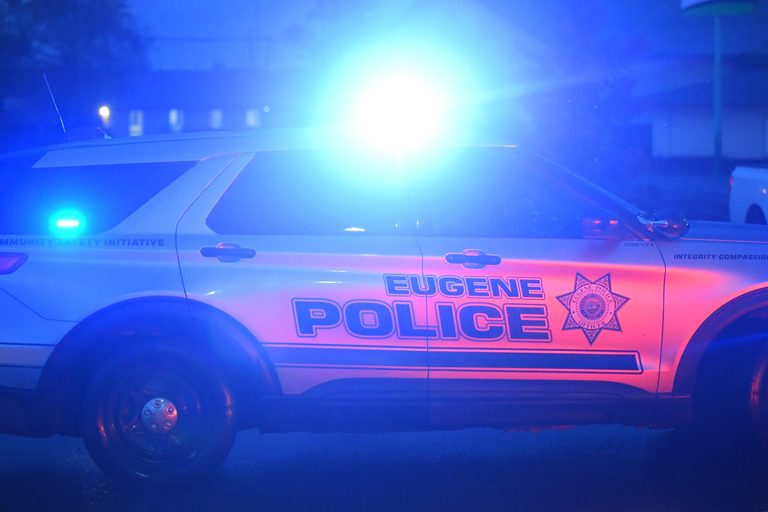
Eugene’s Public Works Engineering team is moving forward with a pilot program that could install intersection safety cameras at three to five of the city’s most dangerous crossroads. The initiative, still in the planning stage, is designed to curb red‑light violations and excessive speeding, which together accounted for 81 fatal or serious‑injury crashes between 2020 and 2024, according to city data.
How the cameras work
Known locally as red‑light or speed‑safety cameras, the system uses radar and lidar sensors positioned ahead of an intersection to detect a vehicle’s size, speed and position. When a driver runs a red light or exceeds the speed limit by 11 mph or more, the sensors trigger a camera placed farther down the road to capture photos and video of the violation. Those images are then used to assist in issuing citations, the city’s FAQ explains.
Public participation
The city will hold a work session on Nov. 18 and is also distributing an online survey to gather resident feedback. The survey asks about concerns such as data privacy, travel‑time impacts and the fairness of tickets. Officials stress that the pilot will operate under a “broader lens of a robust citywide data privacy policy,” which staff aim to complete by the end of 2026.
Funding and staffing
City staff anticipate that citation revenue will cover the program’s costs, including vendor fees and additional personnel for the Eugene Police Department and the Municipal Court. “Our long‑term goal is that this program would be cost‑neutral to the city,” said Associate Transportation Planner Logan Telles in a prerecorded interview.
Legal and procedural safeguards
State law permits this type of technology, and the city points to clear regulations governing its use. Running a red light in Oregon is a Class B traffic violation with a base fine of $265. Speeding violations are classified as follows: 11‑20 mph over the limit is a Class C violation ($165 base fine), 21‑30 mph is Class B ($265), and more than 30 mph over is Class A ($440).
In the five Oregon cities that already employ similar cameras, human reviewers examine each potential violation before a citation is issued. Eugene has not yet detailed how police will handle the images, but officials say the process will mirror existing practices.
Privacy considerations
Data‑privacy concerns have been front‑and‑center since Eugene retired its Flock Safety license‑plate reader cameras last year after public outcry. The new system differs: cameras only activate when a sensor detects a violation, and they do not continuously record traffic. The FAQ clarifies that the proposed cameras are solely for discouraging dangerous driving and supporting the city’s Vision Zero goals, not for broader surveillance.
Next steps
After the Nov. 18 work session, the city will finalize vendor contracts, determine exact camera locations, and post permanent photo‑enforcement warning signs. A 30‑day notice period will precede the start of citations.
Residents who wish to share their views can complete the online survey linked on the city’s website or attend the upcoming work session. The pilot reflects Eugene’s ongoing effort to improve road safety while balancing community concerns about privacy and government transparency.
Original reporting: Homepage – Lookout Eugene-Springfield — read the source article.