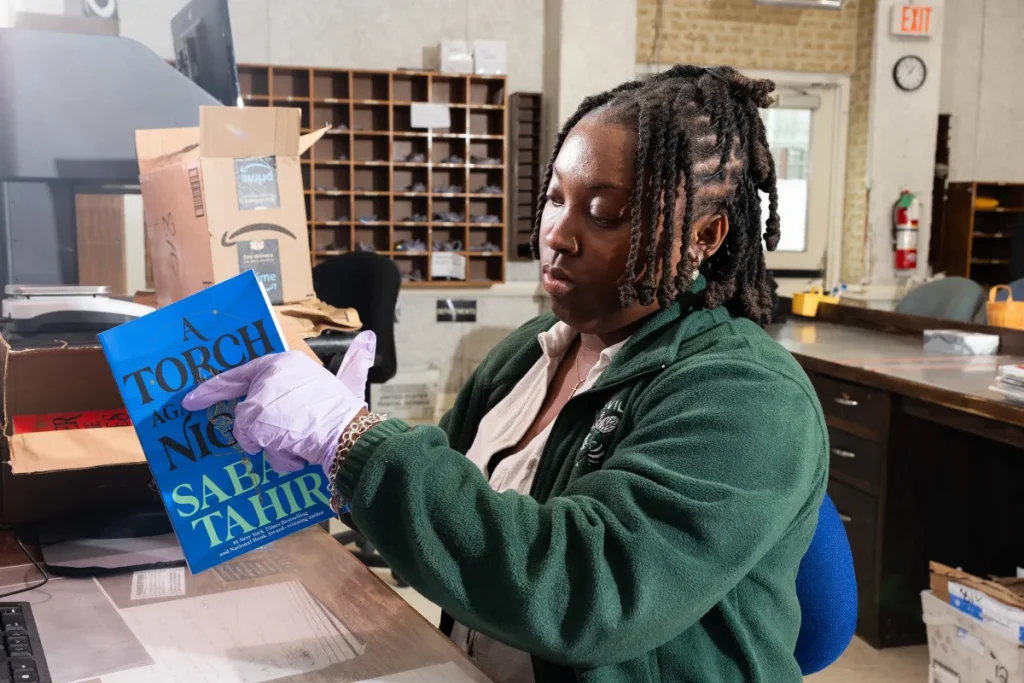
In a move to combat drug smuggling, Texas prisons have implemented a new policy banning inmates from receiving hardback and used books directly. The Texas Department of Criminal Justice (TDCJ) announced this policy following incidents where synthetic drugs were found in books entering the facilities.
Policy Details and Reactions
The TDCJ will now funnel all donated books through the Windham School District, which provides educational services to inmates. This district will review all books for quality and suitability before distribution. The policy emerged after 385 books tested positive for synthetic drugs like meth and fentanyl last year. These substances can be liquidized and sprayed onto books, posing significant risks to both staff and inmates.
Timothy Fitzpatrick, director of classification and records at TDCJ, emphasized the policy’s importance, stating, “This is literally a matter of life and death for us here at the agency.” The TDCJ received 450,000 books last year, many from family members or donations, and aims to prevent dangerous contraband from entering through these means.
Concerns from Advocacy Groups
Advocacy groups, including the Texas Freedom to Read Project and Inside Book Project, have criticized the policy. They argue it restricts inmates’ access to valuable educational resources and unfairly punishes them for the actions of a few. Laney Hawes, co-founder of the Texas Freedom to Read Project, expressed concerns about limiting access to important information and ideas.
Inside Book Project, which sends thousands of books to TDCJ annually, has already turned away hundreds of donations due to the new restrictions. Scott Odierno, the organization’s coordinator, noted that many legal and educational books are hardcovers, which are now restricted.
Implementation and Future Discussions
Under the new policy, inmates have 90 days to send any received hardback or used books elsewhere, or they will be destroyed. While TDCJ claims to collaborate with advocacy groups, these organizations seek more dialogue to ensure policies do not unduly limit inmates’ access to literature and learning materials.
As the policy unfolds, the balance between security and educational access remains a topic of discussion among Texas prison officials and advocacy groups.
Original reporting: El Paso News (HLL/CB) — read the source article.