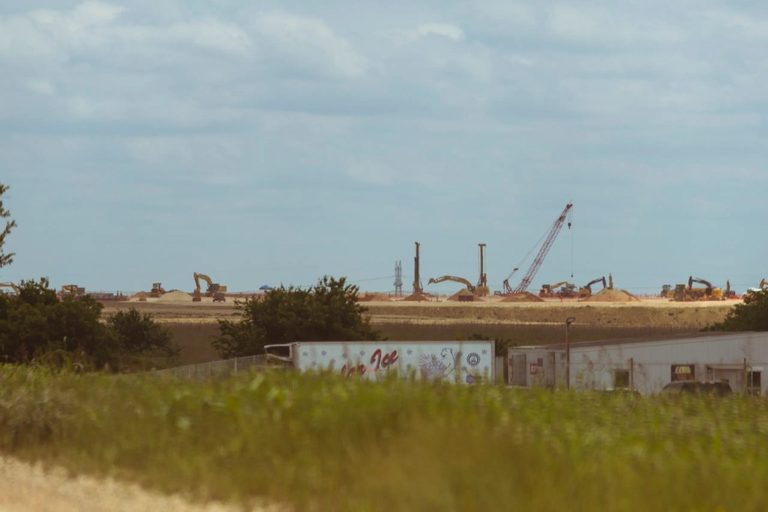
Texas is poised to lead the nation in power plants built to fuel data centers, with 32 projects planned across the state. These power plants are expected to emit large amounts of greenhouse gases and air pollution, posing significant climate impacts and health risks to local communities.
Environmental Concerns
The proposed power plants could emit more than 287 million tons of greenhouse gases annually, equivalent to 61 million gasoline-powered cars driving for a year. Additionally, they could release over 14,000 tons of fine particulate matter, 20,000 tons of nitrogen oxides, and 8,000 tons of volatile organic compounds, which are linked to respiratory illnesses, heart disease, and other serious health problems.
Community advocates are concerned that the projects will overtax the state’s power grid, make it less reliable, and cause residential electricity bills to rise. Many of the proposed power plants are planned for lower-income communities that already experience poor health outcomes, which could worsen existing health disparities.
Industry Response
The Data Center Coalition, an industry group, claims that its members have consistently been at the forefront of energy efficiency and advanced operational technologies to meet the need responsibly. However, environmental watchdog groups argue that the industry’s growth will have a significant impact on local communities and the environment.
Texas Governor Greg Abbott has directed state utilities to ensure that infrastructure costs associated with serving new data centers are shouldered by the developers rather than existing customers. The governor also announced that regulating the rapidly expanding AI industry will be a priority during the 2027 legislative session.
Original reporting: San Antonio Report — read the source article.