As Texas begins its new fiscal year, hospitals across the Lone Star State are bracing for a daily loss of roughly $27 million in Medicaid funding. The shortfall stems from the Trump administration’s refusal to approve about $9.8 billion in federal matching dollars for three Medicaid programs, the bulk of which affects the Comprehensive Hospital Increase Reimbursement Program (CHIRP).
Why CHIRP matters to Texas families
CHIRP was created to bridge the gap between the state‑set Medicaid rates and the actual costs hospitals incur when treating Medicaid patients. Because many hospitals receive less than they spend on these patients, the program provides supplemental reimbursement that keeps essential services afloat.
Under the program, local governments collect roughly $4 billion a year in taxes from hospitals. The federal government then matches those funds, allowing hospitals to cover the true cost of care for low‑income Texans. With the funding on hold, hospitals warn they may have to reduce or eliminate services, a move that would hit the most vulnerable patients hardest.
Potential impact on care for children and the poor
Four million Texans—most of them children—are enrolled in Medicaid. Sara González, vice president of advocacy, public policy and political strategy for the Texas Hospital Association (THA), said, “It is impossible for a hospital to take a huge loss on a Medicaid side of their portfolio and not have that impact services across the board, regardless of what type of insurance a patient has.”
In Houston, the loss could translate to at least $258 million less for the Harris Health system and up to $1.4 billion for the broader region. Dr. Esmaeil Porsa, president and CEO of Harris Health, warned that the “impacts would be catastrophic for Texas’ safety‑net healthcare system.”
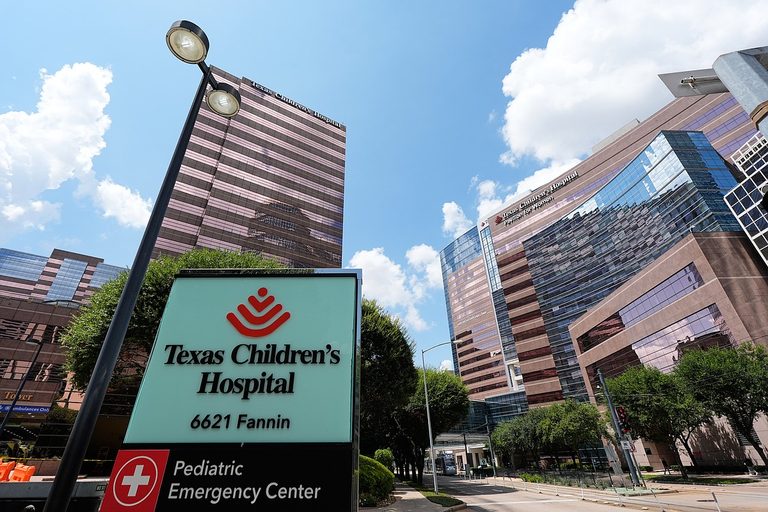
Children’s Health CFO Robert Fries echoed those concerns, noting that delays threaten access to critical pediatric specialty care, behavioral health services, and the workforce needed to deliver that care.
Governor Abbott pushes back
Governor Greg Abbott sent a pointed letter on Aug. 7 to U.S. Health Secretary Robert F. Kennedy Jr., calling the funding holdup an economic “gun to the head.” Abbott asserted that Texas’s tax structure for hospitals complies fully with federal law and that any changes requested by the Centers for Medicare & Medicaid Services (CMS) would constitute an unwarranted penalty.
“Any voluntary change that the State makes should be understood as the product of a desire to work collaboratively with CMS and not as any kind of admission about a legal defect in Texas’ broad‑based healthcare‑related taxes,” Abbott wrote, estimating the potential loss could reach $12 billion in 2027.
Federal questions and state response
CMS has raised questions about how Texas calculates the taxes collected from hospitals, including whether any of the funds might be used for individuals without satisfactory immigration status. The Texas Health and Human Services Commission (HHSC) responded on Aug. 17 that the state’s directed payments do not include, nor plan to include, payments for non‑citizen healthcare.
The dispute began quietly in December and has escalated, mirroring a similar standoff Florida resolved after eleven months. Texas officials note that the state previously won a legal fight with CMS over this funding in 2023.
What’s next?
The Centers for Medicare & Medicaid Services, HHSC, and the governor’s office have not commented on the $10 billion loss or any imminent resolution. Even if an agreement is reached by Tuesday, THA officials warn that a claims backlog could take at least 90 days to clear, further delaying any restored payments.
“We are carefully monitoring every dollar and would be forced to make difficult decisions about maintaining critical services if this impasse continues,” said Dr. Porsa.
Texas hospitals and advocacy groups are urging swift federal action to restore the matching funds, emphasizing that the health and safety of millions of low‑income Texans—including countless children—depend on it.
Original reporting: Texarkana Gazette — read the source article.