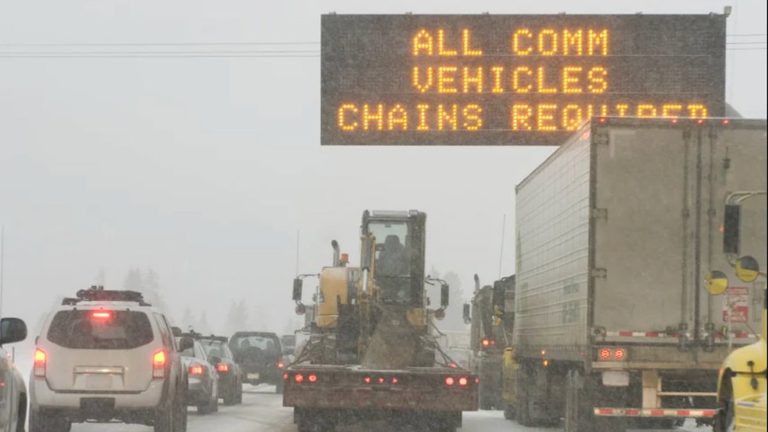
The Colorado State Patrol (CSP) issued a reminder on Sept. 1 that the state’s Chain Law and Passenger Vehicle Traction Law are now in effect and will remain active through May 31, 2027. The measures are designed to keep mountain highways safe during the winter months and are enforced by the Colorado Department of Transportation (CDOT).
What the laws require
All commercial vehicles weighing more than 16,000 lb or transporting 16 or more passengers on public highways must carry chains at all times during the enforcement period. The law applies regardless of current weather conditions, meaning drivers cannot wait for snow before fitting chains.
For passenger vehicles, the rule is more targeted. Any car, truck or SUV traveling on any portion of Interstate‑70 between Morrison and Dotsero must have a traction device—either chains or approved snow tires—installed. This stretch includes some of the most heavily traveled mountain passes in the state.
Penalties for non‑compliance
Drivers who fail to meet the chain requirement for commercial vehicles face fines up to $1,000 if they become stuck or block the roadway. Smaller passenger vehicles that ignore the traction‑device rule on I‑70 can be cited for up to $50 per violation. CSP officials say the fines are intended to encourage proactive preparation rather than punitive punishment after an incident.
Why the state is acting now
Colorado’s high‑altitude corridors are notorious for sudden snowstorms and icy conditions, even in early fall. By activating the chain and traction laws early, the state hopes to reduce road closures, emergency rescues, and costly delays for commuters and freight operators alike. The measures also align with CDOT’s broader safety strategy, which includes regular road‑maintenance updates and real‑time weather monitoring.
How to stay compliant
Motorists should check the CDOT website for detailed guidance on approved chain types, installation procedures, and exemptions. The site also provides a list of retail locations where chains and traction devices can be purchased throughout Colorado. CSP recommends that drivers practice installing chains before they are needed, especially commercial fleet operators who must equip multiple trucks.
Travelers planning trips through the mountains are encouraged to monitor weather forecasts and consider alternative routes when severe conditions are expected. The state’s “Travel Smart” alerts, available via the CDOT app and website, offer up‑to‑date information on road closures, chain‑required segments, and recommended detours.
Community response
Local businesses that rely on timely freight deliveries have expressed support for the early enforcement, noting that predictable road conditions help keep supply chains moving. Some resident drivers, however, voiced concerns about the cost of purchasing chains, especially for occasional travelers. CSP officials responded that the state offers a limited number of loaner chains at select rest areas for drivers who find themselves unprepared.
Overall, the enforcement of Colorado’s chain and traction laws reflects a commitment to public safety, reliable transportation, and the preservation of the state’s vital mountain corridors.
Original reporting: KRDO (Colorado Springs metro) — read the source article.