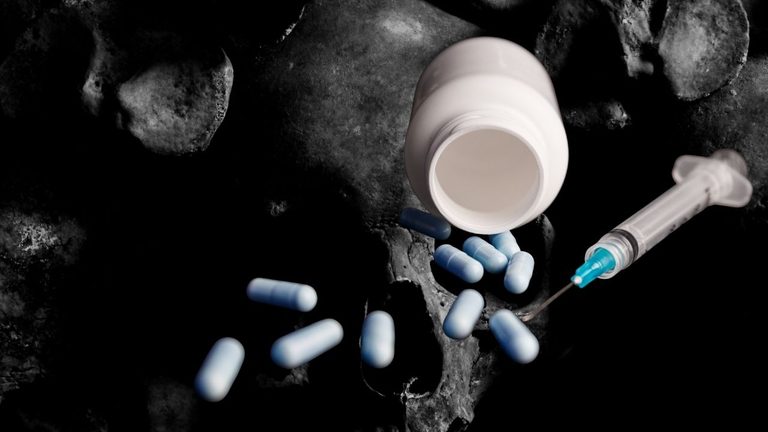
On Friday, Aug. 21, the Drug Enforcement Administration will observe National Fentanyl Prevention and Awareness Day, using the occasion to remind Texans that a single counterfeit pill can be fatal. While the nation has seen a sharp drop in overall drug‑overdose deaths, fentanyl remains a potent threat in the illicit drug supply, especially when it appears in pills that look like legitimate prescriptions.
Federal effort and local impact
The DEA’s annual observance includes extended hours at its museum and a public display called the “Faces of Fentanyl” memorial, which shows photographs of Americans who have died from fentanyl poisoning. The agency describes fentanyl as roughly 50 times more potent than heroin and 100 times more potent than morphine, warning that it can appear in powder or pill form and is often mixed with other illegal substances.
Through its “One Pill Can Kill” initiative, the DEA focuses on counterfeit prescription pills that contain fentanyl or other dangerous chemicals. The agency stresses that anyone purchasing pills outside legitimate medical and pharmaceutical channels cannot be sure what is actually in the tablet.
Recent seizures and prosecutions in Texas
In 2025 the DEA reported seizing more than 30 million fentanyl‑laden pills and 6,000 pounds of fentanyl powder. The previous year’s totals were even higher—over 60 million pills and nearly 8,000 pounds of powder—illustrating the scale of the problem.
North Texas courts have begun to apply Texas’s 2023 fentanyl murder statute, which allows prosecutors to pursue murder charges when a dealer provides a controlled substance that causes a death. In Dallas County, Destin Scott became the first person convicted of murder under that law after pleading guilty to selling fentanyl‑contaminated pills that killed 25‑year‑old Morgan Peterson in December 2024. Scott received a 20‑year prison sentence.
Similar cases have followed. In Collin County, Noah Gregory Honesty was sentenced to 38 years for selling fentanyl‑laced pills that caused a 25‑year‑old woman’s death. Ciana Armour received a 25‑year sentence after pleading guilty to providing fentanyl to a 17‑year‑old McKinney High School student who later died.
National enforcement continues
Beyond state prosecutions, the DEA’s Operation Fentanyl Free America seized more than 4.7 million fentanyl pills and nearly 2,400 pounds of powder in a single month, an amount the agency estimates represents roughly 57 million potentially lethal doses. The operation also confiscated cocaine, methamphetamine, and firearms.
Officials warn that the illicit drug market is evolving, with fentanyl increasingly mixed with other substances and counterfeit pills designed to mimic legitimate prescriptions. This shift underscores the importance of public education and vigilance.
What Texas residents can do
For families and individuals, the key takeaway is caution. Avoid purchasing any pills that are not obtained through a licensed pharmacy or a doctor’s prescription. If a medication’s source is uncertain, the risk of fentanyl contamination is significant.
The DEA’s awareness day aims to keep the conversation alive in communities across Texas, reminding parents, faith groups, and local leaders that protecting children and loved ones from hidden dangers aligns with both public‑health goals and the constitutional right to personal safety.
As overdose deaths continue to fall, the presence of fentanyl in the drug supply remains a pressing concern. The combined effort of federal agencies, state prosecutors, and informed citizens is essential to prevent further loss of life.
Original reporting: The Dallas Express — read the source article.