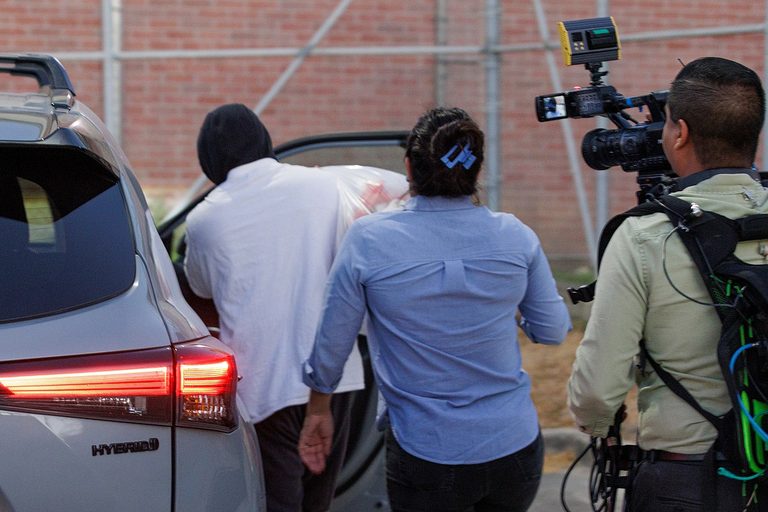
Brownsville, Texas – On Thursday, Immigration and Customs Enforcement (ICE) officer Christian Castro was released from a local detention center after Governor Greg Abbott declined to immediately sign Minnesota’s extradition warrant. A federal judge also refused to order Abbott to sign the warrant or keep Castro detained.
Legal backdrop
Under federal law, states are generally required to honor extradition requests from other states, sending thousands of fugitives across state lines each year. Minnesota officials argue that Castro could flee to Mexico to avoid prosecution for shooting a man and then lying about the incident during the January 2024 immigration crackdown in Minneapolis.
Extradition from Mexico would require action by the Trump administration, which opened an investigation into Castro’s conduct but maintains that ICE agents have “absolute immunity” for actions taken on duty.
Political implications
Abbott, a Republican, said he would not respond to the request while an investigation into alleged fraud in Texas’s social‑service programs continues – a matter the President used to justify his immigration crackdown in Minnesota. Legal scholars note that while the situation is unusual, it highlights how partisan politics can infiltrate a process that has traditionally been routine.
“Something that’s been a routine process may now turn into a political card,” said Marsh Halberg, a criminal‑defense attorney and former prosecutor in Minnesota.
Comparisons and future concerns
Recent refusals by California and New York to extradite doctors accused of mailing abortion pills were deemed different because the doctors never fled their home states. Georgetown University law professor Stephen Vladeck wrote that those governors had no legal duty to turn over the doctors.
Legal analyst Ethan Lowens of the University of Pennsylvania Carey Law School warned that Abbott’s move could expose loopholes in extradition law, encouraging other governors to block requests that conflict with their policy positions on issues such as abortion and pediatric gender treatments.
Current status of the case
Castro remains charged in Minnesota with assault and false reporting for the Jan. 14 shooting of 24‑year‑old Julio Cesar Sosa‑Celis. After a statewide warrant was issued in May, Texas authorities arrested him in Cameron County. Because Texas law requires his release after 90 days of detention absent a final extradition decision, he was freed Thursday but remains a fugitive subject to arrest in Minnesota and elsewhere.
U.S. District Judge Fernando Rodriguez Jr. indicated the court could not intervene without a definitive decision from Governor Abbott. Minnesota continues to seek a court order compelling extradition.
Original reporting: Texarkana Gazette — read the source article.