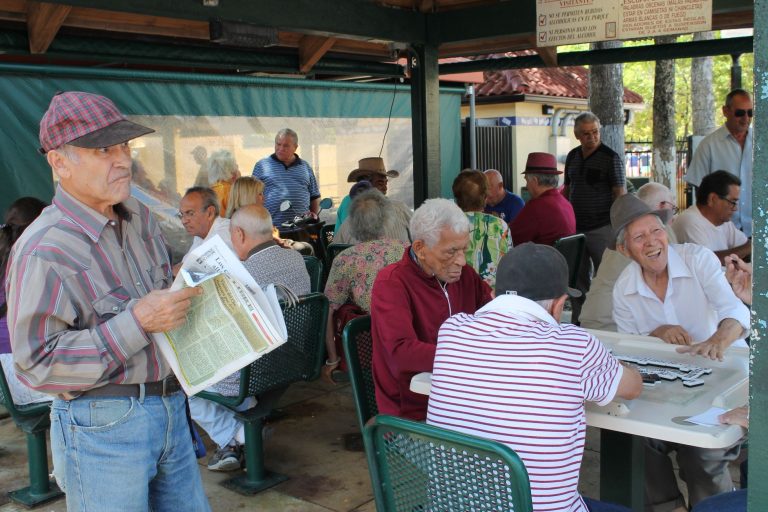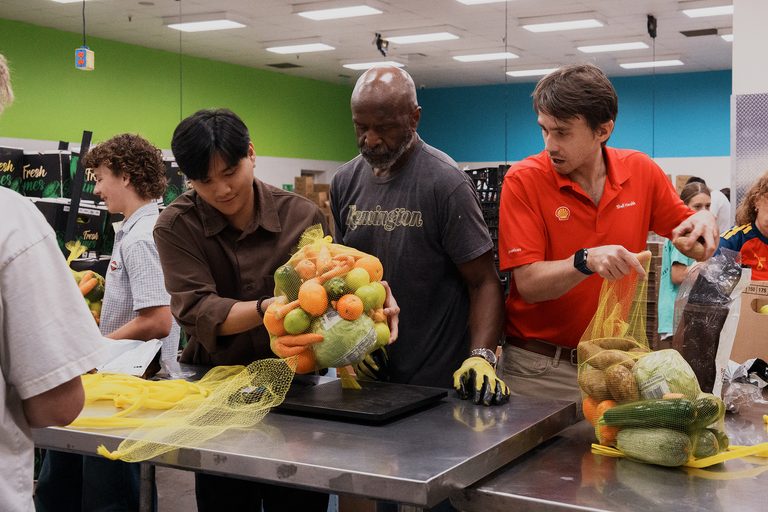
When West Houston Assistance Ministries’ pantry reopened after an Easter flood, pantry manager Verita Duncan was greeted by 50 families – only a fraction of the need. Within days, the line grew to about 200 families waiting to register. The pantry, like hundreds of Texas food‑bank partners, is now wrestling with a surge in demand while federal assistance dwindles.
Federal commodity cuts hit Texas hardest
In 2025 the U.S. Department of Agriculture eliminated two programs that had supplied $1 billion in food products directly to food‑bank warehouses. The USDA said the previous administration created “unsustainable” expectations. Texas food banks say they have already absorbed $88.4 million in reduced federal funding and see a 40 % drop in commodity deliveries.
Houston Food Bank officials estimate the loss will total more than $32 million, while the Central Texas Food Bank reports a $5.5 million shortfall in purchasing power. Rural pantries, which rely heavily on these commodities and have thinner donor bases, are especially exposed.
Hunger rates climb statewide
Feeding America’s 2026 “Map the Meal Gap” study, based on 2024 data, found that 19.4 % of Texans – nearly one in five – are food insecure, and 26.1 % of children (about two million) lack reliable access to adequate nutrition. In Potter County, home to Amarillo, one in four residents and 30.7 % of children face hunger, among the highest rates in the state. The Houston Food Bank’s 18‑county service area reports 18 % food insecurity, roughly 1.44 million people, and the Dallas‑Fort Worth region saw 1.4 million Texans in need in 2024, with 36 % of children affected.
Calls to 211 for food assistance rose 28.6 % from February to June 2026, and referrals to food banks jumped nearly 37 % (from 4,230 to 5,785). Yet many families do not qualify for SNAP, leaving local pantries to fill the gap.
Rationing and workforce cuts
Food‑bank networks are forced to ration supplies. “Food banks are rationing precisely so they don’t run out,” said Celia Cole, CEO of Feeding Texas. Some pantries may limit visits to once a month instead of twice, leaving families to endure days without meals.
Houston Food Bank has already reduced its workforce by 15 % to offset funding losses. The San Antonio Food Bank and Central Texas Food Bank have also cut distribution days and limited mobile pantry routes. El Paso’s Fighting Hunger Food Bank announced that 20 % of its agency partners and mobile pantries will no longer receive food.
Local churches and donors step up
With corporate and individual donations slipping during the economic downturn, many pantries are turning to faith‑based partners. “We have about eight churches that support us, so we let them know we are going to have to tap into the parishioners because the budgets are being cut,” Duncan explained.
Despite the strain, food‑bank leaders stress that federal nutrition programs like SNAP remain essential. “SNAP operates at a scale that can’t be replaced with our kind of food assistance,” Cole noted, pointing out that SNAP provides nine meals for every one delivered by food banks.
Calls for state action
Officials across the network are urging the Trump administration and Texas lawmakers to restore commodity programs or provide additional state funding. Without such support, the safety net for millions of Texans – especially children and rural families – could crumble.
Original reporting: Texas Tribune (HLL/CB) — read the source article.