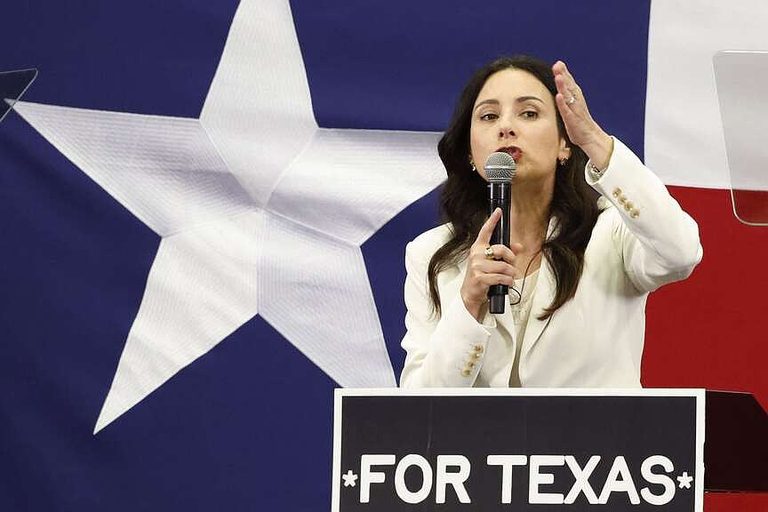
Governor‑elect Gina Hinojosa and a wave of new Democratic officials will soon occupy the top six statewide positions in Texas, ending a Republican hold that has lasted for decades. While the political shift is historic, a chorus of economists, real‑estate developers, and business leaders stress that the “Texas Miracle” – a near‑$3 trillion GDP and rapid job creation – is rooted in fundamentals that transcend party control.
Economic fundamentals outlast partisan change
Texas’ economy, larger than Canada’s and Brazil’s combined, has been driven by low taxes, a business‑friendly regulatory environment, and abundant natural resources. Dallas‑Fort Worth continues to lure Wall Street rivals and dozens of corporate relocations, reinforcing the state’s appeal to investors.
“Texas’ growth story is bigger than any one election,” said John Redgrave, a general partner at DTX Ventures. “Regardless of who holds office, we continue to see an exceptionally business‑friendly state.”
Business community adopts a wait‑and‑see stance
Local leaders are not panicking. Real‑estate developer Ray Washburne likened the upcoming Democratic agenda to a dog that has caught a car – the question now is what the new owners will do with it. “First I’d like to know what the Democratic agenda is going to be,” Washburne said.
Brad Cheves, president of the Dallas Regional Chamber, emphasized the chamber’s history of working with both parties. “Companies make long‑term investment decisions based on the strength of a region’s talent, infrastructure, industry presence and growth opportunities,” he noted.
Policy shifts expected, but not catastrophic
Hinojosa, a state representative, has signaled a desire to trim “corporate welfare” – subsidies to large companies – and to prioritize a “pro‑Texan” rather than merely “pro‑business” approach. She also proposes one‑time $1,500 checks for families funded by the $17 billion Rainy Day Fund, pending legislative approval.
Economists such as Dean Stansel of SMU’s Bridwell Institute acknowledge that increased regulation could modestly slow growth, yet they reject the notion that Texas will become a California‑style economy. “I think there are a lot of folks in the Legislature, regardless of party, who understand the importance of that kind of Texas model of economic policy,” Stansel said.
Key industries watch the transition
The tech and AI data‑center sector, a recent engine of growth, may feel the most impact. Governor Abbott, a former champion of data centers, placed a freeze on new permits amid public criticism. Hinojosa has pledged to keep approvals paused until the Legislature enacts new rules, adding uncertainty for developers.
Conversely, the energy sector appears insulated. Railroad Commissioner‑elect Jon Rosenthal, who describes himself as a “drill, baby, drill Democrat,” says he will encourage responsible production. The Texas Oil & Gas Association echoed this sentiment, urging the incoming administration to maintain steady, science‑based regulation.
Immigration and labor market considerations
Economists also point to the Trump administration’s immigration enforcement as a factor that has recently dampened Texas’ labor market growth. A more moderate immigration stance under the new Democratic leadership could help reverse that trend, according to Ray Perryman of a Waco‑based consulting firm.
Overall, while the political landscape is set for a dramatic change, the consensus among experts is that Texas’ core advantages – location, resources, talent pool, and a culture of entrepreneurship – will continue to drive prosperity.
Original reporting: Texarkana Gazette — read the source article.