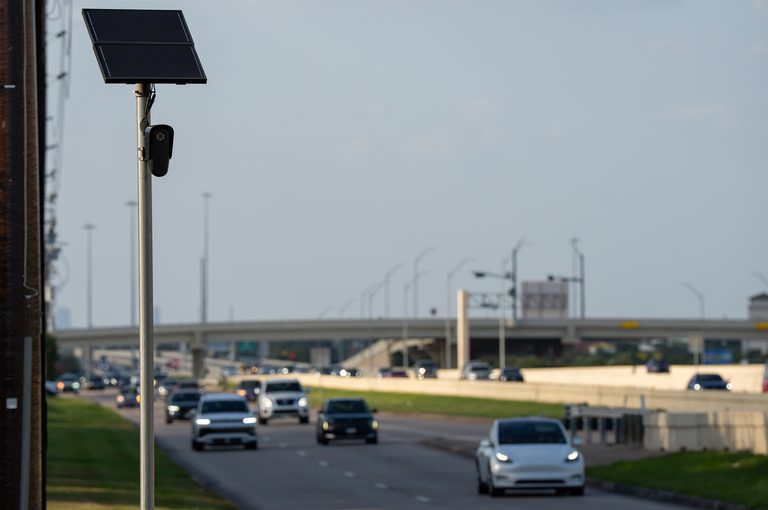
In response to Governor Greg Abbott’s late‑August order to stop state funding for the Flock surveillance system, the Texas Department of Transportation (TxDOT) announced Thursday that it will no longer issue permits for new automated license‑plate readers on state‑owned roadways. The pause applies to all pending agreements, even those already approved but not yet installed.
What the pause covers
TxDOT clarified that while it reviews and approves permits for the cameras, the agency does not install the devices nor does it have access to the data they collect. Existing cameras – more than 900 operated by the Texas Department of Public Safety and hundreds of others still active after Abbott’s funding freeze – will continue to function.
Why the state acted
The decision follows growing privacy concerns from Texas residents about the technology’s ability to scan every passing vehicle, compile license‑plate numbers and other identifying information into a searchable database, and potentially enable unwarranted tracking. City councils and county commissions across the Lone Star State have already begun unplugging their own Flock units after pressure from constituents worried about over‑reach.
Law‑enforcement perspective
Police agencies defend the system, arguing that the cameras are a highly effective tool for solving crimes such as vehicle theft and locating missing persons. They point to the existing network of more than 13,000 Flock cameras statewide – a figure reported in August – as evidence of the program’s utility.
Political context
Governor Abbott’s order to block state funding came just days before The Texas Tribune prepared to publish an investigation into a small state agency that had directed at least $30 million toward installing over 3,200 Flock cameras. The move mirrors a similar action taken by Florida Governor Ron DeSantis, who on Aug. 31 ordered his transportation department to remove the devices, warning against the creation of a “surveillance state.”
Impact on Texas drivers
For now, drivers will still encounter the existing fleet of cameras along highways and in certain municipalities. However, the suspension of new permits means that the expansion of the network will be halted until the state revisits the privacy debate and determines a path forward that balances public‑safety benefits with constitutional protections for Texans.
Next steps
TxDOT said it will continue to review permit applications to ensure any future installations meet safety and privacy standards. The agency has not provided a timeline for when the pause might be lifted, leaving local officials and privacy advocates to monitor the situation closely.
Original reporting: Texas Tribune (HLL/CB) — read the source article.