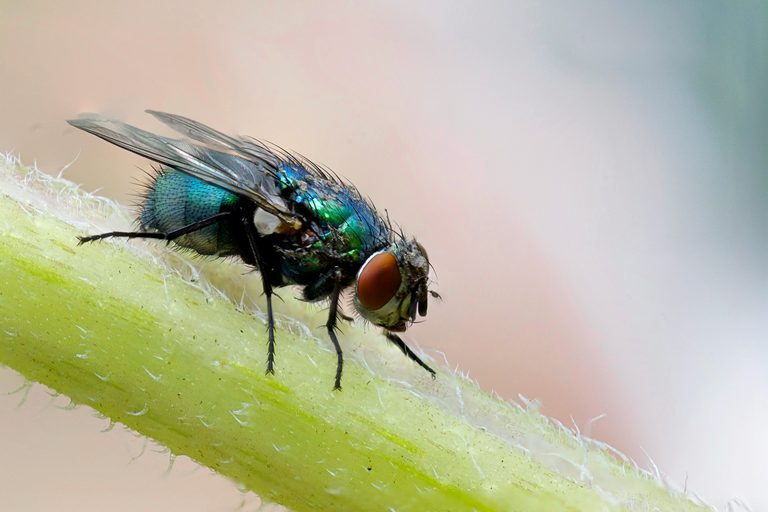
Hudspell County, Texas – The Texas Department of Agriculture confirmed two positive cases of the New World Screwworm (NWS) in Hudspeth County, reviving concerns about the invasive parasitic fly that can devastate cattle, horses, sheep, goats, pets and even humans.
What is the New World Screwworm?
The New World Screwworm is a parasitic fly that lays its eggs in open wounds. When the eggs hatch, the larvae feed on exposed tissue, causing severe damage and potentially fatal infections. The species was eradicated from the United States in the 1980s through a massive sterile‑fly release program, but isolated re‑appearances have occurred in recent years.
Commissioner Miller’s Response
Agriculture Commissioner Sid Miller issued a press release stating that the threat never fully disappeared and that the recent detections demand a swift, coordinated response. Miller advocated for an expanded sterile‑fly release program, more aggressive field surveillance, and rapid reporting of suspected cases by livestock owners.
“We must act decisively to protect Texas’ ranching heritage and the families who depend on it,” Miller said. “By increasing the number of sterile flies released and tightening our monitoring network, we can drive the screwworm population back to zero.”
How the Sterile‑Fly Technique Works
The sterile‑fly technique involves rearing large numbers of male screwworm flies, sterilizing them with radiation, and releasing them into the wild. When sterile males mate with wild females, no viable offspring result, gradually reducing the overall fly population. This environmentally friendly method avoids pesticides and safeguards non‑target species.
What Ranchers Can Do
Commissioner Miller urged cattle, horse and goat owners to inspect their animals regularly for open wounds and to report any suspicious lesions to a veterinarian immediately. Early detection and treatment are critical to preventing the spread of the larvae.
Livestock producers are also encouraged to work with local Extension agents to set up wound‑management protocols and to stay informed about scheduled sterile‑fly release dates in their area.
Statewide Impact and Future Plans
The Texas Department of Agriculture is coordinating with the U.S. Department of Agriculture’s Animal and Plant Health Inspection Service (APHIS) to monitor the situation. Additional sterile‑fly releases are planned for the broader West Texas region, with a focus on high‑risk counties bordering Hudspeth.
Officials will also increase aerial surveillance and trap deployment to identify new infestations quickly. The goal is to keep the screwworm count at zero, preserving Texas’ reputation as a leading livestock producer.
Community Reaction
Local ranchers expressed relief that the state is taking immediate action. “We rely on healthy herds for our families and our community,” said a Hudspeth cattle producer who asked to remain unnamed. “Knowing the commissioner is pushing for more sterile flies gives us confidence that we can keep our animals safe.”
Critics of the program, primarily from environmental advocacy groups, raised concerns about the cost and potential ecological impacts of large‑scale insect releases. Miller responded that the sterile‑fly method has a proven safety record and is far less harmful than chemical insecticides.
Looking Ahead
Residents and livestock owners are encouraged to stay informed through the Texas Department of Agriculture’s website and local Extension offices. Continued vigilance, rapid reporting, and the expanded sterile‑fly program together form the state’s best defense against the New World Screwworm’s return.
Original reporting: News/Talk 790 KFYO (Lubbock) — read the source article.