Ten water projects in the state won initial approval to divide $1.28 billion in state funding this year, while 13 other proposals fell short — one of which could have helped drought-hit Corpus Christi. The split marks a major moment in statewide water planning, with winners moving closer to construction and losers forced to reassess plans and timelines. This article walks through what was approved, what was left out, and what it means for communities scrambling for reliable water supplies.
The initial approvals cover a mix of upgrades, expansions and new treatment work aimed at shoring up supplies and modernizing delivery systems. For communities that made the cut, the funding jump-starts design work, environmental reviews and the multi-year construction schedules that follow. For utilities, that kind of predictable capital can cut borrowing costs and speed projects that otherwise linger for a decade or more.
Projects that were denied face a different reality: delays, fundraising headaches and the prospect of reworking applications to meet state priorities. Some proposals likely failed because they didn’t demonstrate sufficient water supply benefit, lacked matching funds, or raised environmental or permitting concerns. The outcome underscores how competitive this round was and how state reviewers are balancing immediate needs against long-term sustainability.
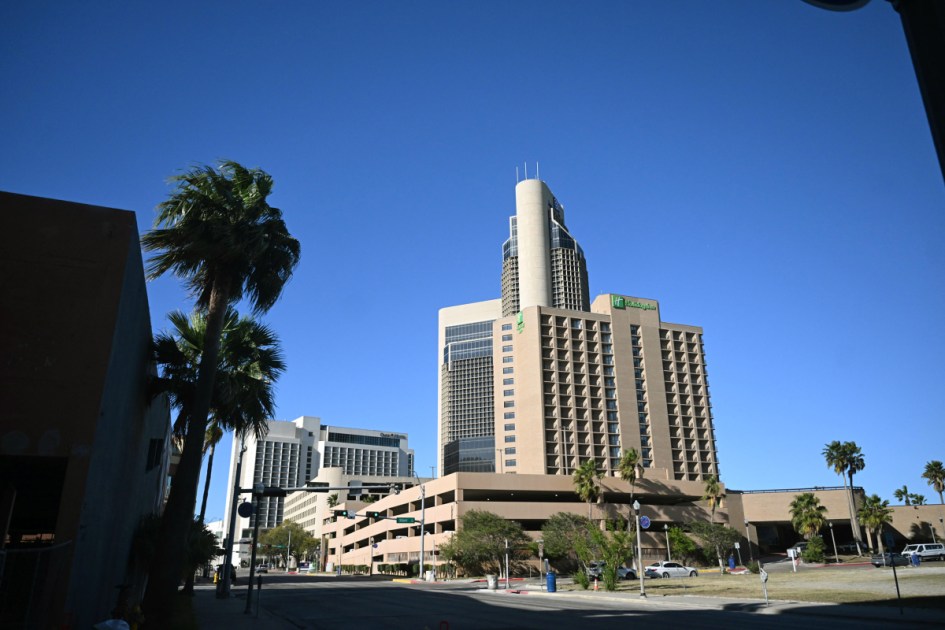
Corpus Christi is one of the communities watching closely because the denied project could have added critical relief in a city wrestling with drought and aging infrastructure. Residents there have experienced tighter restrictions and higher water costs during dry spells, so any potential supplier being sidelined raises immediate attention. Local leaders now must decide whether to appeal, refine the pitch, or pursue alternative strategies like conservation programs and reuse projects.
For regions that did win funding, the work ahead is still significant: environmental compliance, engineering, and securing any required local matches or federal dollars. Those steps are time-consuming and expensive, and not every approved project will move from shovel-ready to shovel-in-ground at the same pace. Still, initial approval is often the most important hurdle; it signals political and technical buy-in that can unlock other sources of finance.
The state’s selection process also raises equity and policy questions. Smaller systems often struggle to compete with larger utilities that can staff grant-writing teams and assemble matching funds. That dynamic can leave rural areas waiting longer for upgrades while fast-growing urban centers accelerate improvements. Balancing those needs is a challenge the state faces every funding cycle, and critics argue for clearer criteria that favor vulnerable or under-resourced communities.
Projects that missed out aren’t necessarily finished. Many will rework their proposals, line up local matches, or seek regional partnerships to improve chances on the next round. Collaboration between neighboring water systems can turn a marginal plan into one that shows broader public benefit and financial feasibility. The practical reality is that shifting a project from denial to approval often requires better data, more robust cost estimates, and stronger demonstrations of long-term water security.
At the policy level, this round spotlights broader trends: aging pipes need replacement, desalination and reuse are gaining traction, and climate variability is forcing planners to be more conservative when predicting future supply. The money on the table helps, but it won’t solve every gap overnight. Communities, especially those facing drought like Corpus Christi, will still need a mix of investments, conservation policies, and smarter water management to build real resilience.