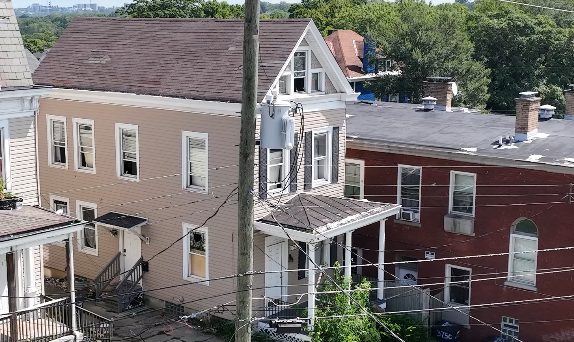
On Tuesday morning, a 14‑year‑old boy was shot in the face outside a vacant building on Warsaw Avenue in the East Price Hill neighborhood of Cincinnati. The incident has drawn renewed attention to the city’s long‑standing challenge of thousands of empty structures that attract crime, overgrowth and unsafe conditions.
Community concerns echo citywide data
Amber Kassem, president of the East Price Hill Improvement Association, said the building could have been boarded up to prevent such tragedies. “That building could have been boarded up,” Kassem told reporters. She added that, while the shooting is tragic, it was not entirely unexpected given the pattern of neglect.
Kassem had emailed city officials at 10:30 a.m. that morning—roughly eight to ten hours before the shooting—to flag the property’s condition. Her early warning underscores the frustration many residents feel when they must repeatedly alert officials about hazardous vacant sites.
City officials outline the scope of the problem
Cincinnati City Councilman Mark Jeffreys estimated the city contains about 5,000 vacant buildings. “The estimate is that we have 5,000 vacant buildings,” Jeffreys said, noting that these properties often become hubs for squatting, illicit activity and a decline in neighborhood quality of life.
To combat the issue, the city recently adopted a vacant‑building registry that requires owners to register each property twice a year. “We passed this vacant building registry. It’s starting to be implemented now, which requires the owner of a property to register their building every six months,” Jeffreys explained.
Under the new system, a building is classified as vacant if its water service has been shut off for six months. Once identified, owners receive a notification to register and comply with safety standards, including boarding up windows, maintaining structural integrity and preventing unauthorized occupants.
Enforcement in practice
City inspectors are now visiting roughly 200 properties each week to verify compliance. Buildings that remain unboarded, structurally unsound, or occupied without permission can result in fines and other penalties for owners.
Previously, the city relied heavily on resident complaints to locate vacant sites, a method that often left dangerous properties unaddressed for months. The registry aims to create a proactive, data‑driven approach that reduces the burden on neighbors and improves overall public safety.
What residents can expect
Neighborhood groups like the East Price Hill Improvement Association plan to continue monitoring vacant sites and reporting concerns to city officials. “There’s a quality‑of‑life issue for people who are living next to these places, and if somebody’s squatting there, it invites nefarious activity,” Jeffreys said.
City leaders hope that the combination of a robust registry, regular inspections and enforceable penalties will gradually reduce the number of unsafe vacant structures and restore confidence in affected neighborhoods.
Looking ahead
While the registry is still in its early stages, officials acknowledge that thousands of vacant properties remain a significant challenge. Continued collaboration between residents, community associations and municipal agencies will be essential to ensure that vacant buildings are secured, maintained and, where possible, repurposed for productive use.
The recent shooting serves as a stark reminder of the human cost of neglecting vacant properties. As Cincinnati works to tighten its oversight, community members hope that proactive measures will prevent future tragedies and help revitalize neighborhoods like East Price Hill.
Original reporting: WLWT Cincinnati — read the source article.