On June 10, 1901, a storm delayed the departure of two local adventurers, but 16‑year‑old Ned Estabrook and former Sioux Falls art instructor Professor John Lloyd set out anyway. Calling themselves the “Lloyd–Estabrook Hobo Club,” the pair intended to travel eastward on foot, carrying roughly 15 pounds of supplies each.
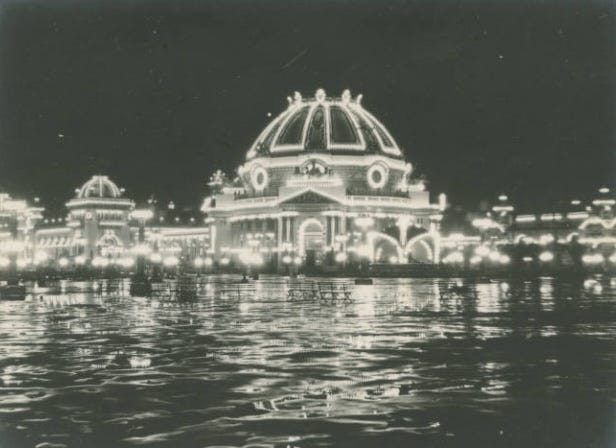
Both men were seasoned walkers, accustomed to covering ten miles before breakfast. Their goal was to reach the 1901 World’s Fair in Buffalo, New York, a showcase of technological progress and cultural exhibits that attracted millions of visitors nationwide.
Journey Highlights
According to the August 20, 1901 edition of the Sioux Falls Press, the duo trekked through Iowa and Wisconsin, stopping only briefly for meals and rest. They documented their progress in a small notebook, noting the towns they passed and the kindness of strangers who offered shelter or a hot meal.
By early August, Estabrook and Lloyd arrived at the fairgrounds, where they witnessed the grand displays of electricity, transportation, and world cultures. Their presence as “intentional hobos” drew curiosity from fairgoers, and a local newspaper reporter interviewed them about their motivations. Both men expressed a desire to experience the nation’s advancements and to bring stories back to their Sioux Falls community.
Return Home
After spending several days at the fair, the pair began the return journey. The Sioux Falls Press reported that Estabrook arrived home on August 20, 1901, concluding a 69‑day adventure. The paper noted that Professor Lloyd continued eastward, eventually reaching Rhode Island, where he planned to resume his teaching career.
Local residents praised the young traveler’s determination and the educational value of his expedition. Parents cited the story as an example of perseverance and curiosity, qualities they hope to instill in their own children.
The adventure of Ned Estabrook and Professor John Lloyd remains a memorable chapter in Sioux Falls’ early 20th‑century history, illustrating how a small community engaged with national events long before the age of automobiles and instant communication.
Original reporting: The Dakota Scout (Sioux Falls) — read the source article.