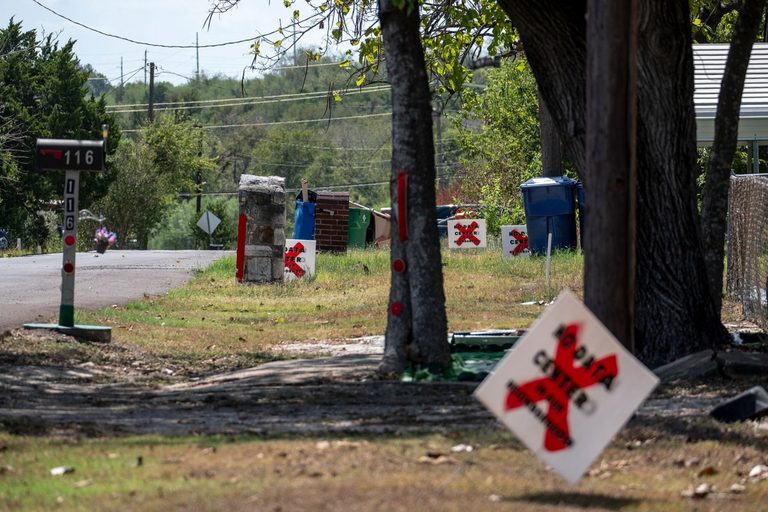
Taylor, Texas — For decades residents of the small city of about 18,000 have believed that a parcel of land just outside the town would become a public park for their children. The promise was written in a 1999 deed that said the land was to be held in trust for future use as parkland by Williamson County.
Deed language disappears as the land changes hands
After the Bland family sold the 87‑acre tract to the Texas Parks and Recreation Foundation for $10, the deed’s park‑use clause vanished from every subsequent transaction. The property was sold to a Williamson County nonprofit, then to the City of Taylor, and finally to the city’s Economic Development Corporation for $15,000. In 2025 the remaining acreage was sold to Blueprint Data Centers’ parent company for $10 million.
Because no legally enforceable deed restriction was attached, the city says the original wishes did not transfer with the title. Blueprint Data Centers now plans a 135,000‑square‑foot facility less than a half‑mile from Griffin’s home, joining more than 2,000 data‑center projects in planning across the United States.
Community concerns rise
Neighbors worry about noise, water consumption and the strain on the local power grid. The proposed site would sit between two existing tech hubs: a Samsung semiconductor fab on the north side of town and a cluster of chip‑making facilities on the south. A separate 665‑acre “Project Mustang” is also being discussed outside city limits, where Taylor officials lack zoning authority.
“My daddy passed this land down to us and told us to guard it,” Griffin told reporters. “He said this will always be a homestead.” As a Black mother who bought the land after the Fair Housing Act, she sees the fight as protecting both family legacy and the community’s right to promised green space.
Legal battle and state investigation
Griffin’s lawsuit asks a Texas appeals court to halt the data‑center project until the deed language can be clarified. Simultaneously, Attorney General Ken Paxton has opened an inquiry into whether the original deed language was legally altered or removed and whether it still carries weight.
City officials say they were unaware of the Bland family’s intent when they acquired the land in 2003. The city spokesperson noted that no enforceable restriction was ever recorded, which is why the land could be sold to private developers.
Why this matters for Taylor families
The dispute highlights a broader tension between rapid tech‑industry growth and the preservation of community spaces that families rely on for recreation and safety. For many longtime residents, the promised park represents more than a playground—it is a symbol of generational stewardship and a safe place for children to play, especially in a city with a historic Black community that once lacked adequate recreational facilities.
Local leaders have not yet issued a formal response to the lawsuit or the Attorney General’s probe. Blueprint Data Centers and the Texas Parks and Recreation Foundation have not commented.
Looking ahead
As the appeals court considers Griffin’s complaint, Taylor residents are watching closely. The outcome could set a precedent for how deed‑based promises are honored when valuable tech infrastructure seeks to move in. For now, Griffin remains determined to protect the land her family has tended for decades, hoping the courts will recognize the original intent and keep the promise of a park alive for future generations.
Original reporting: KTVZ (Central Oregon) — read the source article.