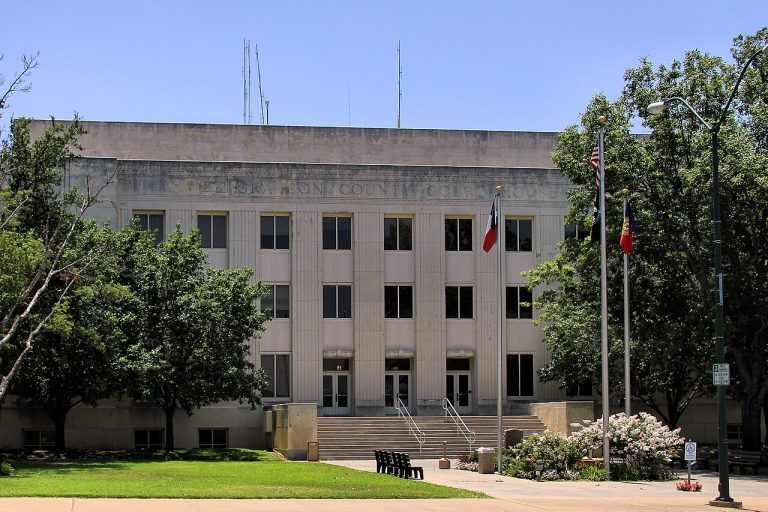
On Election Day, Nov. 3, Tarrant County voters will decide who will fill two critical county offices: the district clerk and the county clerk. Both positions handle essential court and record‑keeping functions that affect everyday life for residents, from accessing court documents to filing vital property records.
District clerk race
Republican incumbent Tom Wilder, 82, has held the district clerk post since 1994. A longtime businessman who ran a commercial‑real‑estate firm for 22 years, Wilder says he does not need the job for financial reasons but enjoys serving the public. His stated priorities include completing the rollout of the new TechShare case‑management system, renovating the justice center, and reducing employee turnover.
Democratic challenger Nathan Smith, 38, previously worked for Tarrant County Commissioner Alisa Simmons and served as a compliance officer for the U.S. Army. Smith argues that the district clerk’s office has become a “business operation” rather than a public service. He proposes staffing magistrate hearings with clerk personnel, streamlining the jury‑summons process, and ending fees charged to residents for accessing court cases.
County clerk race
Republican incumbent Mary Louise Nicholson, 60, has served as county clerk since 2011 and ran unopposed in the recent GOP primary. During her tenure she backed a 2021 Texas House bill that lowered the population threshold for requiring a photo ID to file certain property records, and she created a free notary‑fraud alert service to protect property‑record integrity. Nicholson says her re‑election goals focus on balancing improved service delivery with budget restraint, recruiting and retaining high‑performing staff, and providing outstanding customer service.
Democratic challenger Lydia Bean, 45, previously ran for the Texas House and a U.S. House seat. Bean describes a “crisis in accountability, transparency and democracy” within county offices. Her platform emphasizes greater participation and transparency in the county budget, safeguarding free and fair elections as vice chair of the Tarrant County Elections Commission, and combating deed fraud. She argues that a new county clerk is needed to turn Tarrant County government around.
Why these races matter
The clerk offices are the backbone of Tarrant County’s judicial and record‑keeping system. The district clerk manages court business, finances, and documents for magistrate and associate judges, while the county clerk maintains vital records such as birth and death certificates, marriage licenses, and property deeds. Decisions made by these officials affect how quickly residents can obtain court documents, file property records, and access other essential services.
Both incumbents stress continuity and incremental improvement, whereas the challengers call for reforms aimed at greater transparency, reduced fees, and stronger public‑service orientation. Voters will weigh experience against the promise of change as they head to the polls.
Where to find more information
For detailed candidate bios, policy positions, and voting locations, readers can consult the Fort Worth Report’s local government information guide or the Tarrant County Elections Commission website. Early voting continues through the weekend before Nov. 3, and polling places close at 7 p.m. on Election Day.
Original reporting: Fort Worth Report — read the source article.