San Cristóbal, Taos County – On a crisp October morning, Conservation Officer Sgt. Jayme King prepared a snack of plantain chips, chocolate‑covered espresso beans and blueberry‑bacon syrup before filling a bear trap with the same bait. The unconventional lure is part of the New Mexico Department of Wildlife’s effort to curb a sharp rise in human‑bear encounters across the county.
Why bears are moving lower
Department communications director Darren Vaughn told the Taos News that extreme drought and higher temperatures this spring and summer have reduced natural food and water at higher elevations. “Bears are forced to move to lower elevations in search of food and water, resulting in more sightings by the public,” he said.
Since the start of the year, the department has opened 46 bear‑related complaints in Taos County. King estimates that a little over 20 bears have been euthanized in the county so far, a stark contrast to 2025 when no bears were put down locally.
Trapping and relocation efforts
King’s district, which stretches from the Colorado‑New Mexico border south to Velarde and Peñasco, had three traps set on the day he was observed baiting one in San Cristóbal. The department has relocated 82 bears statewide, but 312 bears have been euthanized statewide due to human‑bear conflict – the highest number on record. State data as of Nov. 3 list 339 depredation kills and an additional 63 road or other kills.
When a bear meets the department’s criteria – such as repeated aggression, failure to be deterred by hazing, or returning after being chased away – it is deemed eligible for euthanasia. Hazing methods include rubber‑bullet shots and loud noises intended to discourage the animal from returning.
What happens to the carcasses?
King keeps a handwritten “meat list” of potential buyers for euthanized or road‑kill animals. He sells bear meat for roughly $20 when a buyer is found; otherwise, the carcass is left in a secluded forest area to decompose naturally and feed predators.
Jesse Deubel, executive director of the New Mexico Wildlife Federation, explained that bears tranquilized within 60 days of euthanasia are considered unfit for human consumption because of residual chemicals.
Calls for proactive hunting season
Deubel, a conservationist and hunting advocate, suggested that a spring black‑bear hunt could reduce future conflicts. He noted that many states allow a spring season, which removes problem bears before summer when encounters peak. This year’s high depredation numbers have already reduced the number of bear tags available to hunters during the fall season, which begins in August.
Community actions
Vaughn emphasized that the department’s priority is to keep bears alive while preventing habituation to human food sources. Residents can help by securing trash, removing bird feeders, and eliminating any attractants from yards.
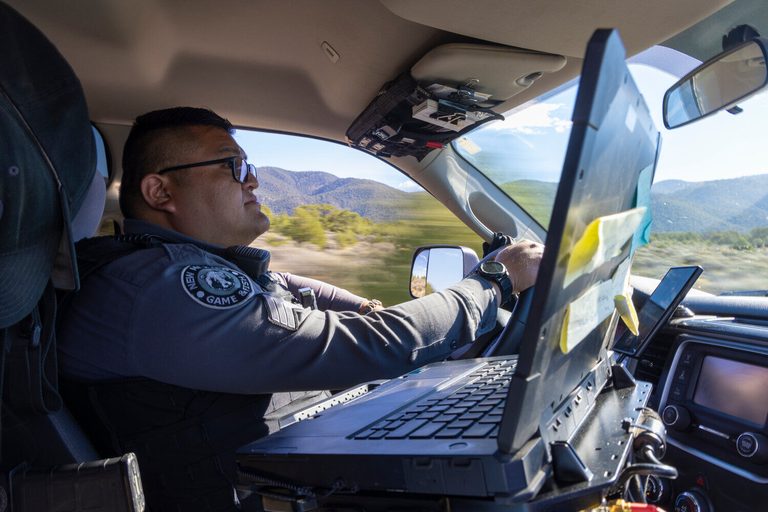
King’s patrol duties also include responding to wildlife complaints, checking hunting licenses, tagging pelts and handling paperwork. He noted that the department currently fields three officers in a district that would ideally have five.
As the bear season winds down, King expects the remaining bears to head back to higher elevations for hibernation, ending the most intense period of human‑bear conflict for the year.
Original reporting: Taos News — read the source article.