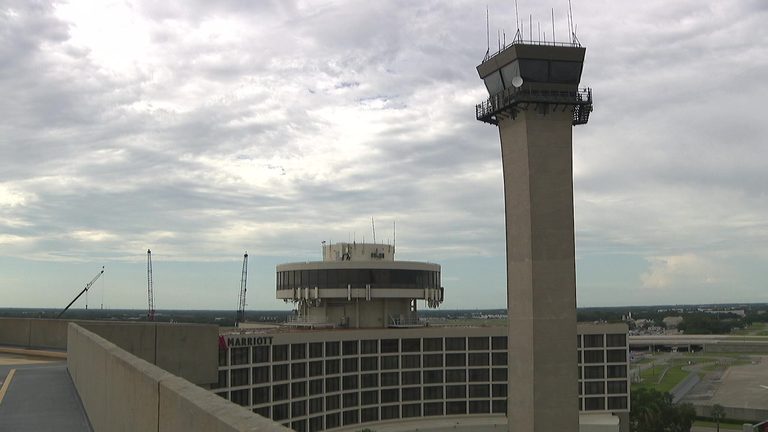
Tampa International Airport announced a major infrastructure upgrade that will see its aging 54‑year‑old air traffic control tower replaced with a brand‑new $155 million facility. The Federal Aviation Administration (FAA) is contributing $18 million specifically for state‑of‑the‑art radar systems and upgraded display screens for controllers.
Why the tower needs replacement
The existing tower, built in July 1972, is one of the nation’s oldest operating control towers. Over the decades, its plumbing, electrical wiring, waterproofing and air‑conditioning systems have become outdated, making it difficult to support today’s advanced computer processors and automated flight‑management tools.
Embry‑Riddle Aeronautical University associate professor Michael McCormick explained that modern air‑traffic control relies on continuous technological upgrades. “As technology evolves, you install more automation, and you need ventilation and air‑conditioning that can handle the new processors and equipment,” he said.
FAA funding and expected benefits
The FAA’s $18 million allocation will equip the new tower with next‑generation radar and high‑resolution display screens, tools that transportation officials say will help reduce flight delays and cancellations. The upgrade is especially timely amid a nationwide shortage of qualified air‑traffic controllers.
Transportation Secretary Sean Duffy praised the effort, noting the demanding nature of controllers’ work. “Their jobs are difficult, stressful, and taxing. If we can alleviate some of that pressure by giving them additional tools, we want to do that for them,” he said on August 11.
Construction timeline and site selection
Officials have not yet disclosed the exact location for the new tower or a definitive start date for construction. Selecting a site requires ensuring controllers have an unobstructed line of sight across the airfield, a process that planners are evaluating with drone surveys.
The project is expected to take several years to complete. It will run alongside the airport’s ongoing work to finish the new Airside D terminal, further expanding Tampa’s capacity to serve travelers.
Impact on the community
Replacing the tower will modernize Tampa’s air‑traffic infrastructure, supporting the city’s growing population and tourism economy. Faster, more reliable flight operations benefit local businesses, families planning trips, and the broader regional transportation network.
While details on the tower’s final placement and construction schedule remain pending, the collaboration between the FAA, the airport, and state officials underscores a commitment to maintaining safe, efficient air travel for Tampa and the surrounding Hillsborough County area.
Original reporting: Tampa Bay Florida News (HLL/CB) — read the source article.