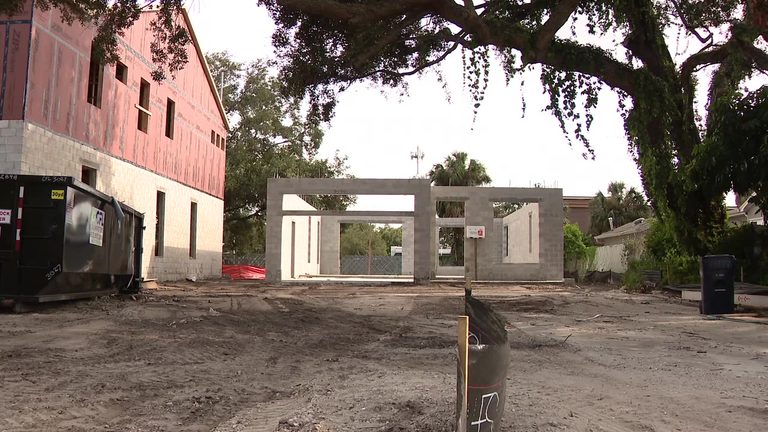
Recent data from LendingTree reveals a clear shift in Tampa’s housing market: new single‑family homes are averaging roughly 300 square feet less than they did ten years ago, even as the cost to build each square foot has surged dramatically.
Size reduction and cost increase
According to the study, the average new home built today is about 12 percent smaller than homes constructed in 2015. At the same time, the price per square foot for construction has climbed from roughly $100 in 2015 to about $172 today, a rise that builders say forces them to trim floor plans to keep prices affordable.
“When you look at the prices in 2015, the average cost of a home was about $100 a foot. Today it’s about $172 a foot,” said Tampa realtor Vincent Arcuri. “It’s a substantial amount for a builder for the cost to have gone up, so they just bring the size of the home down.”
Why smaller homes remain popular
Despite the reduction in square footage, many buyers continue to favor these more compact homes. Homeowners cite lower utility bills, reduced maintenance, and the ability to prioritize layout and design over sheer size. For families looking to downsize or first‑time buyers seeking a manageable entry point, the trend aligns with a desire for financial prudence.
Technology and the future of construction
Industry experts point to automation as a potential solution to the rising cost dilemma. Lance Thrailkill, co‑founder of Print3d Technologies, explained that the company’s 3‑D‑printed houses can be built for 10 to 20 percent less than the average new home. “The only thing they can do is try to find less skilled labor or use inferior materials. And so unfortunately, the only path forward for construction, home construction, is automating, automating the process as much as possible,” Thrailkill said.
While the impact of automation on large‑scale homebuilding remains uncertain, Thrailkill’s comments highlight a growing interest in innovative building methods that could help curb costs and improve affordability.
What buyers can do now
Real‑estate professionals note that the current market conditions actually favor buyers. With supply tightening and demand stabilizing, purchasers have leverage to request concessions from builders. Common strategies include asking for the seller to cover closing costs, negotiating upgrades such as premium flooring or appliances, or seeking warranties that protect against future maintenance expenses.
“Buyers can ask builders to include closing costs or property upgrades during purchase negotiations,” Arcuri advised. “That can make a big difference in the overall affordability of the home.”
Looking ahead
The combination of smaller floor plans, higher per‑square‑foot costs, and emerging construction technologies suggests that Tampa’s housing market will continue to evolve. Homebuyers who stay informed about these trends and work closely with knowledgeable realtors are better positioned to secure a home that meets both their space needs and budget constraints.
For those watching the market, the key takeaway is clear: while homes may be getting smaller, strategic negotiation and an eye toward innovative building solutions can help maintain affordability in a rising‑cost environment.
Original reporting: Tampa Bay Florida News (HLL/CB) — read the source article.