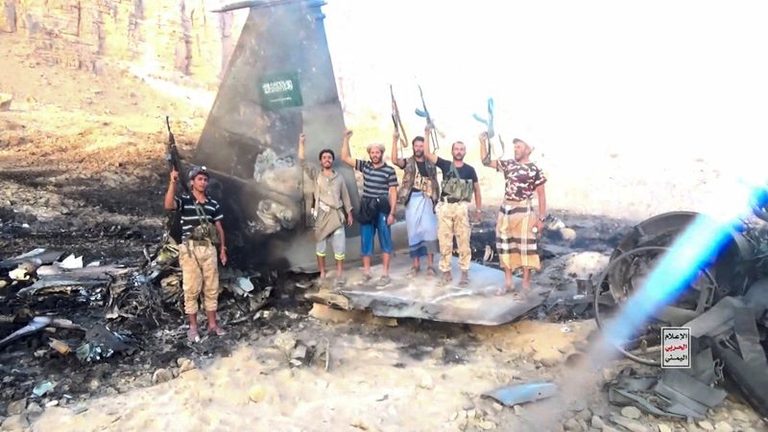
In a rapid offensive this week, Yemen’s Houthi forces captured the strategic Bab el‑Mandeb Strait, the narrow waterway that links the Red Sea to the Gulf of Aden. By seizing the port city of Mocha and the surrounding coastline, the militants now control the entire 12‑mile (19‑km) width of the strait, giving them the ability to block or threaten the flow of oil and commercial vessels that pass through this vital artery.
From mountain militia to regional power
The Houthis began in the late 1990s as a Zaydi Shi’ite revival movement led by the Houthi family in northern Yemen. Over the next two decades they fought six wars against the Yemeni government, building a strong local militia. The 2011 Arab Spring and the subsequent collapse of central authority created an opening for the group to expand, forge ties with Iran and its Lebanese ally Hezbollah, and eventually seize the capital, Sanaa, in 2014.
That seizure prompted a Saudi‑led coalition to intervene, launching a pro‑government military campaign that lasted until a 2022 ceasefire. The ceasefire has now collapsed, and fighting has resumed along the old front lines in Marib, Jawf, Taiz, Dhale and the Red Sea coastal strip known as the Tihama.
New capabilities and regional impact
The Houthis’ recent gains give them a launchpad for further operations, including a possible ground thrust toward the port city of Aden. Their ability to strike at distance has also grown. Since 2023 they have fired ballistic missiles as far as Israel—over 1,000 miles (1,800 km) away—and have repeatedly targeted Saudi cities, oil facilities and Red Sea shipping. Drones are now a regular feature of their battlefield tactics, delivering mortar‑type bombs and precision strikes on vehicles, camps and infrastructure.
Videos posted online in early September show Houthi fighters using a mix of light and heavy machine guns, scoped rifles, pick‑up trucks mounted with weapons, and captured Saudi‑backed equipment such as armored vehicles, a tank and an artillery gun. A drone‑jamming device was also displayed, though the footage does not show the hardware in active use.
How the weapons arrive
A United Nations panel of experts reported in 2025 that the Houthis have developed missile and drone technologies through both technical assistance and domestic manufacturing. Despite a UN arms embargo, the panel documented widespread smuggling of drone control units, missile components and other equipment across the Omani border and via sea routes. Iranian sources have confirmed that Tehran supplies both weapons and experts, although Iran officially denies violating the embargo.
An International Institute for Strategic Studies assessment in 2025 noted that while the Houthis have made strides in domestic production, they remain dependent on Iran for advanced technologies. Training from Iran and Hezbollah, as well as the presence of Iranian Qods Force personnel, has been critical to the group’s transformation from a militia into a more organized military force.
Implications for global shipping and energy markets
Control of the Bab el‑Mandeb Strait allows the Houthis to threaten a key route for Saudi oil exports to Asia. Any sustained disruption could ripple through global energy markets, raising prices and prompting further naval deployments by the United States and its allies. Saudi Arabia has already responded with airstrikes in support of government‑aligned forces, but the conflict’s escalation underscores the broader strategic contest between Iran‑aligned groups and the Saudi‑U.S. partnership in the Middle East.
As the fighting continues, observers warn that the Houthis may use the strait as a staging area for additional missile and drone attacks on regional targets, further complicating efforts to achieve a durable ceasefire and stability in Yemen.
Original reporting: Appleton, WI News Feed (HLL/CB) — read the source article.