As holiday shoppers flood Tampa Bay stores this weekend, a looming challenge threatens to raise prices for local families. Robert Hooker, director of supply‑chain management programs at the University of South Florida’s Muma College of Business, warns that the nation’s roughly $1 trillion in annual product returns is already straining the region’s logistics system.
Local supply chain under pressure
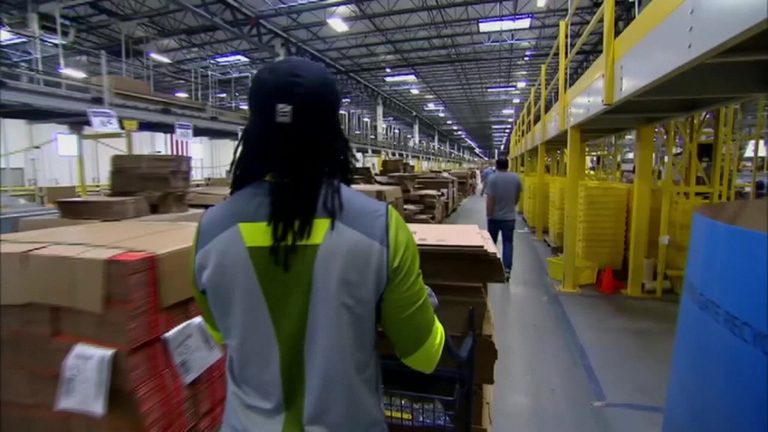
Hooker explains that Tampa Bay’s strategic location—receiving goods from Latin America and other overseas sources while moving massive volumes through the Interstate 4 corridor—makes it a vital hub for retailers. The surge in online orders has turned January into what industry insiders call “Returnuary,” a period when returned items flood warehouses and often end up in landfills.
“We’ve seen kind of this merger between Black Friday and Cyber Monday to where you almost can’t even tell them apart,” Hooker said. “And we need people that are educated in that and have skills and understanding of AI and other sorts of emerging technologies to be able to have an impact in that area. And that’s what we do.”
Costs passed to consumers
According to Hooker, processing a return can cost retailers up to 40 % of a product’s original price. Those expenses are typically passed on to shoppers in the form of higher retail prices. While the exact dollar impact on Tampa Bay consumers this weekend remains unknown, the national trend suggests a noticeable uptick in costs as retailers absorb return‑related losses.
Preparing the next generation
In response to the growing demand for skilled workers, USF will launch a new reverse‑logistics course in spring 2027. The program aims to equip students with expertise in artificial‑intelligence‑driven scanning and sorting technologies that can streamline the returns process and reduce waste.
Business professors also project a 27 % growth in Florida’s supply‑chain management sector over the next decade, which could bolster the Tampa Bay workforce and strengthen the Interstate 4 distribution corridor.
Tips for shoppers
Hooker advises consumers to think twice before purchasing items that are frequently returned. “If you can think of a product that oftentimes you order, that many times might not fit you or that you return, maybe that’s something that you might not want to gift to someone else because it might result in a return for them as well,” he suggested.
By making more mindful buying decisions, shoppers can help ease the burden on local logistics providers and potentially keep prices steadier during the holiday rush.
Looking ahead
While exact projections for holiday spending in Tampa Bay remain unavailable, the region’s supply‑chain experts agree that the combination of booming e‑commerce and massive return volumes will continue to shape retail pricing and logistics strategies. Ongoing investment in education and technology is seen as essential to maintaining a resilient supply chain that serves both businesses and families.
Original reporting: Tampa Bay Florida News (HLL/CB) — read the source article.