Tampa officials moved forward this month on a major sports‑development project that could reshape the city’s traffic landscape. The Tampa City Council and the Hillsborough County Commission voted to approve a $2.3 billion ballpark for the Tampa Bay Rays on the Dale Mabry Campus of Hillsborough Community College. The team hopes to open the state‑of‑the‑art facility in time for Opening Day 2029.
Potential parking loss raises concerns
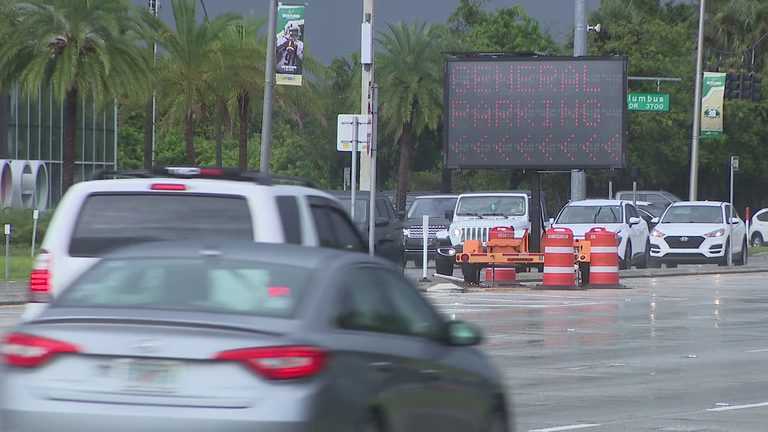
Economic‑development consultant John Boyd estimates the current plan could eliminate between 2,600 and 3,000 parking spaces that are currently used for events at Raymond James Stadium. Those spots are a critical resource for Buccaneers fans who travel to the stadium on game days.
On Sunday, hundreds of football supporters walked along Dale Mabry Highway to avoid parking fees that range from $50 to $150. “You’re paying $100 to $150 to park there, and I can’t justify that,” season‑ticket holder Jay Vincent said. “I’d rather get a suntan and a little bit of walk.”
Fan reactions on the ground
Other fans voiced similar frustrations. “That intersection might be the underground of Hades,” Bucs fan Fletcher Cardenas complained, adding that the area is already the “worst place to get through.” Angelica Sauber echoed the sentiment, calling the loss of parking “awful” and predicting it will make getting to games “hard”.
Not all comments were purely negative. Long‑time supporter JP Woodward acknowledged the short‑term pain but saw a possible upside. “Honestly, it’s probably going to be worse,” he said, “but that means it’s going to bring a lot more media and attention to Tampa, so it’s a win‑win.”
What officials have said so far
City and county leaders have not yet released a detailed traffic‑management plan. The Tampa Sports Authority confirmed that studies are underway to reconfigure traffic patterns and explore alternative parking solutions before the stadium opens, but specific timelines remain unclear.
Officials also noted that coordination between the NFL and MLB schedules could mitigate the worst congestion scenarios. Cities such as Arlington, Maryland, and Seattle routinely align home‑game calendars to avoid simultaneous events that would overwhelm local roadways.
Looking ahead
Community members and business owners are watching the development closely. The new ballpark promises economic benefits, including construction jobs and increased tourism, but the immediate impact on daily commuters and weekend traffic remains a point of contention.
Local leaders have pledged to hold public forums later this year to gather input on parking alternatives, public‑transit enhancements, and possible infrastructure upgrades along Dale Mabry Highway. Residents are encouraged to submit comments through the city’s official website.
As Tampa prepares for the dual‑sport future, the balance between growth and preserving a smooth traffic flow will be a key measure of the project’s success.
Original reporting: Tampa Bay Florida News (HLL/CB) — read the source article.