Both Tampa and Miami boast vibrant Cuban communities, sunny beaches, and a shared love for the iconic Cuban sandwich. Residents and restaurateurs in each city argue that the layered classic belongs to their hometown.
Tampa’s claim
Andrew Tambuzzo, a Tampa native with Sicilian and Cuban heritage, says he grew up eating the sandwich at family gatherings. He runs The Boozy Pig, a craft butcher and café, where he serves a version he calls a “mixto,” referencing the sandwich’s original Cuban name.
“I think Tampa is where it all started because of the migration here for the cigar industry. Also, Tampa has the original Cuban bread,” Tambuzzo explains, noting his family’s long history in Tampa’s food scene.
Miami’s claim
Chef Michelle Bernstein, owner of Café La Trova in Little Havana, recalls childhood trips across the street from a Cuban market where her mother would order a Cuban sandwich and a banana milkshake. “Miami doesn’t just eat the Cuban sandwich, we claim it as ours. It’s an identity,” Bernstein wrote.
Historical roots
According to the book The Cuban Sandwich: A History in Layers by Andrew T. Huse, Bárbara C. Cruz, and Jeff Houck, the sandwich originated in Cuba as a simple bocadillo—bread, cheese, and whatever protein was available. By the late 1800s, it evolved into the “mixto,” meaning “mixed,” allowing multiple meats.
Research shows the sandwich traveled with Cuban migrants to the United States in the early 19th century, appearing in New York, Key West, Tampa, and South Florida. Historians say the version most people recognize today didn’t solidify until it reached Tampa in the late 1880s and 1890s, when the city’s cigar industry boomed.
Why the differences?
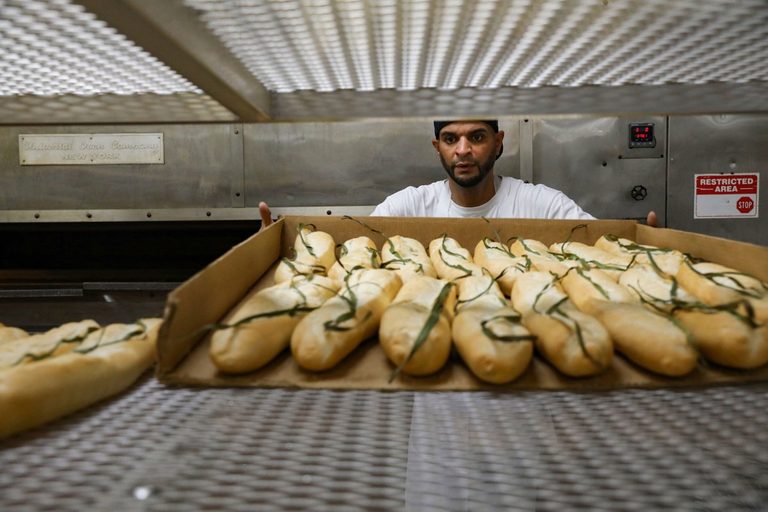
In Tampa, the sandwich traditionally includes Genoa salami, a nod to the city’s Italian immigrant influence, and is served on a crusty yet tender Cuban bread. Miami’s version, arriving with later waves of Cuban migrants after 1959, uses a softer, more fragile bread that often requires pressing for crispness, as seen at the famed Versailles restaurant in Little Havana.
Historian Rodney Kite‑Powell notes that these variations reflect the distinct migration waves: Tampa’s 19th‑century cigar workers needed a portable, sturdy meal, while Miami’s later arrivals brought a bread style closer to what was common on the island.
Local pride continues
Both cities celebrate the sandwich as a cultural touchstone. Tampa’s food scene highlights the “mixto” as a legacy of the cigar era, while Miami’s restaurants see it as a symbol of Cuban‑American identity. The friendly rivalry underscores how food can embody community history and pride.
Original reporting: KTVZ (Central Oregon) — read the source article.