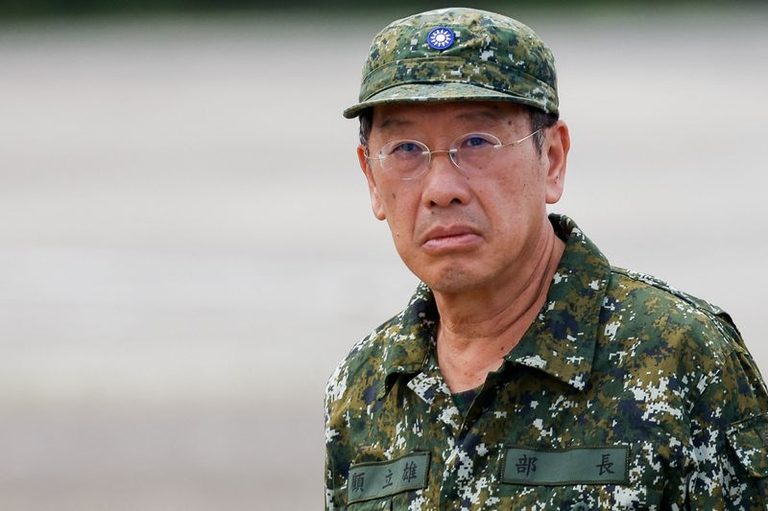
TAIPEI — In a statement to Taiwan’s parliament on Tuesday, Defence Minister Wellington Koo said he has not heard any indication that the United States intends to divide a prospective $14 billion arms sale into smaller portions. He emphasized that Washington’s pledge to help Taiwan strengthen its self‑defence capabilities remains firm.
U.S. approval still pending
President Trump has delayed final approval of the new package, citing the need to preserve a delicate trade truce with Chinese President Xi Jinping. Earlier, in December, the administration approved an $11 billion sale that included advanced fighter jets, missiles and other defensive systems.
Trump frames hold‑up as negotiating leverage
After meeting Xi in Beijing in May, President Trump told reporters he was holding up a second package and described it as a “very good negotiating chip.” China, which regards Taiwan as part of its territory, has repeatedly called for an end to all arms sales to the island.
No official split plan disclosed
Officials in Taipei had previously suggested that Washington might break the sale into smaller batches to avoid provoking Beijing too much. Koo refuted that notion, saying, “Regarding arms sales, we respect the U.S. review process. We are also continuing to coordinate with the United States. At present, we have not received any information about so‑called separate batches.” He offered no further details.
U.S. legal obligation and strategic partnership
The United States is bound by the Taiwan Relations Act, which obligates Washington to provide Taiwan with the means to defend itself. Despite the lack of formal diplomatic ties, the U.S. remains Taiwan’s most important international backer.
Koo added that the close military and defence exchanges between the two partners “will also help us with our current war‑preparedness efforts and the transformation of our armed forces.”
High‑level visits underscore ties
This week, Taiwanese Foreign Minister Lin Chia‑lung and former President Tsai Ing‑wen are in Washington, the latter on her first U.S. trip since leaving office two years ago. A State Department spokesperson said the United States and the broader international community benefit from engagement with Taiwan, noting its technological prowess and vibrant democracy.
China’s opposition remains strong
The Chinese embassy in Washington reiterated its firm opposition to any official interaction between the United States and Taiwan, calling such contacts “unacceptable.”
The U.S. State Department did not immediately respond to a request for comment on the latest developments.
Original reporting: Appleton, WI News Feed (HLL/CB) — read the source article.