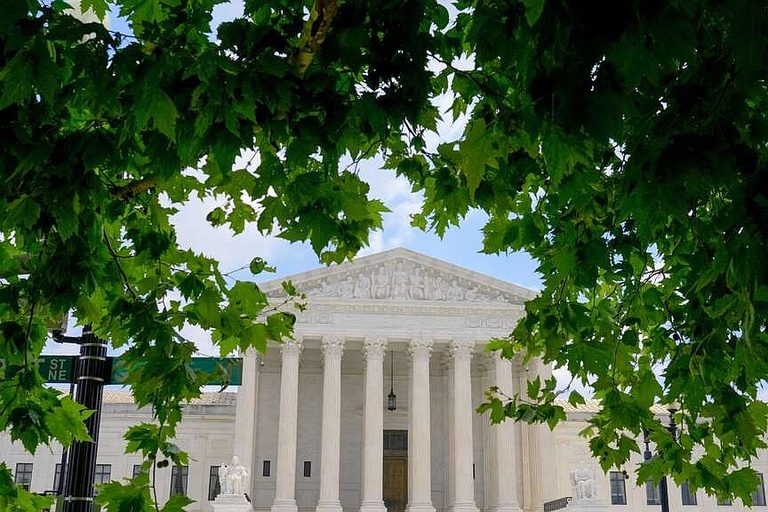
The Supreme Court has ruled in favor of birthright citizenship, rejecting President Donald Trump’s executive order that aimed to limit citizenship for children born to illegal immigrants in the United States.
Background of the Case
The case centered on the interpretation of the 14th Amendment, which states that all persons born or naturalized in the United States, and subject to the jurisdiction thereof, are citizens of the United States. The Trump administration argued that children of noncitizens are not subject to the jurisdiction of the United States and therefore are not entitled to citizenship.
The Supreme Court’s decision relied on a long-settled understanding of the 14th Amendment and more recent federal laws, ruling that anyone born in the country, with very limited exceptions, is a citizen. Chief Justice John Roberts wrote for the court, citing congressional debate over the amendment, and stating that the promise of citizenship was extended to ‘every free-born person in this land.’
Impact of the Decision
The decision will affect over a quarter of a million babies born in the U.S. each year, according to research by the Migration Policy Institute and Pennsylvania State University’s Population Research Institute. The birthright citizenship restrictions would have applied not only to children of illegal immigrants but also to people who are legally in the United States, including students and applicants for green cards.
Original reporting: Texarkana Gazette — read the source article.