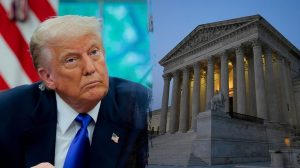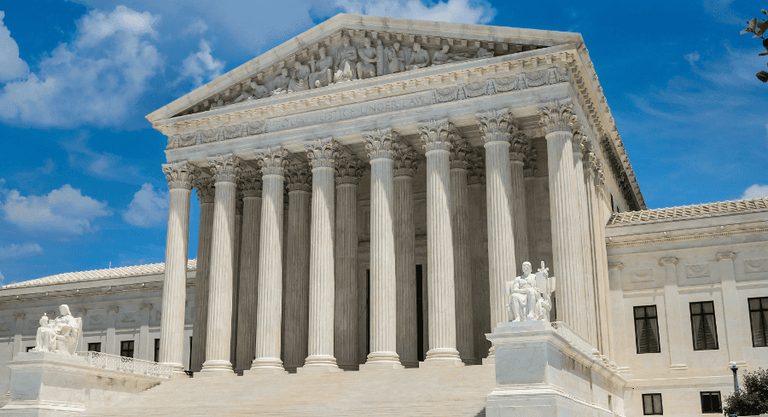
The Supreme Court has ruled 6-3 to lift lower court injunctions that had temporarily halted the federal government’s termination of Temporary Protected Status (TPS) for individuals living in the United States from Syria and Haiti. This decision allows the Department of Homeland Security to move forward with ending the humanitarian programs, which have allowed hundreds of thousands of foreign nationals to live and work legally in the U.S. for years.
Background of the Case
The legal battle landed at the Supreme Court after groups of Syrian and Haitian nationals filed separate lawsuits in New York and Washington, D.C. They argued that the administration violated federal law by failing to properly consult with relevant government agencies about actual safety conditions in Syria and Haiti before ordering the ends to their protected status.
The Supreme Court majority rejected the distinction made by lower courts, concluding that the statutory bar on judicial review covers both the final decision and the entire administrative process leading up to it. Justice Samuel Alito announced the judgment of the court, writing that the federal TPS statute explicitly prevents judges from intervening in the executive branch’s management of the program.
Constitutional Claims
The court also addressed a constitutional equal protection claim brought specifically by the Haitian plaintiffs. They argued that the decision to end Haiti’s TPS designation was driven by racial animus, citing public statements made by President Donald Trump and former Homeland Security Secretary Kristi Noem regarding immigrants from non-white nations.
The majority found that the discrimination claim was unlikely to succeed on its merits. Alito noted that the administration had consistently terminated all 13 TPS designations that came up for renewal during the current term, encompassing a diverse group of nations across Africa, the Middle East, Central America, and Asia.
Original reporting: Tampa Free Press — read the source article.