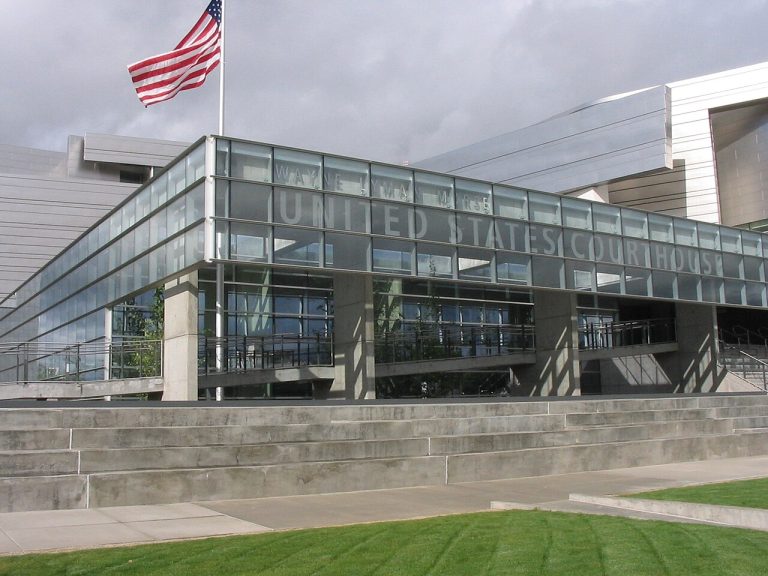
The Supreme Court has ruled that the Department of Homeland Security has broad discretion in determining when to extend or terminate Temporary Protected Status (TPS), a form of humanitarian relief that allows nationals from certain countries to live and work in the US. This decision affects over a million immigrants, including hundreds of thousands of Haitians and Syrians, whose work permits are set to expire and deportation protections will be terminated.
Impact on Communities
The ruling has significant implications for communities where these immigrants live and work. In Ohio, for example, over 10,000 Haitians who have been living in the state through TPS will now be subject to immediate deportation. Governor Mike DeWine has called the ruling a “mistake” that will hurt the state and its economy.
Immigration attorneys are urging affected individuals to seek other legal immigration pathways as quickly as possible. The future of TPS holders currently living in the US could vary based on individual circumstances, with some potentially having options to remain legally in the country.
Reaction and Next Steps
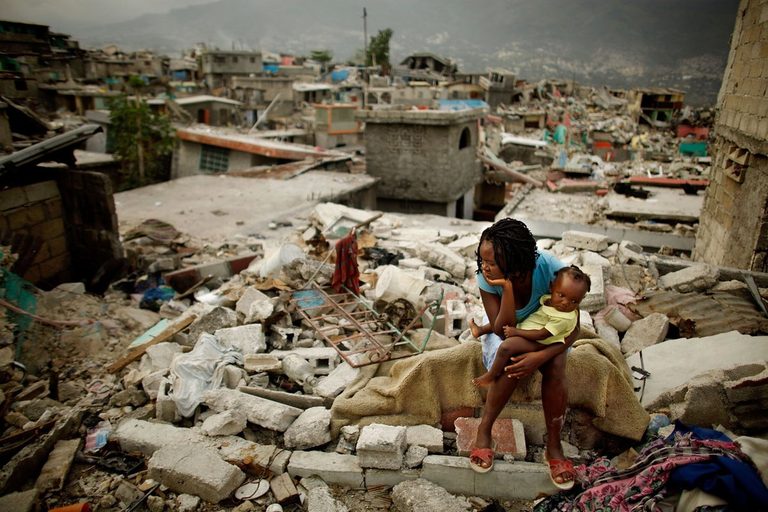
The Trump administration has argued that TPS designations were always meant to be temporary, and that citizens from countries included under the designations have taken advantage of protections against deportation for too long. However, advocates for TPS holders argue that the decision will have dire consequences, particularly for those who will be deported to countries with ongoing humanitarian crises.
As the situation unfolds, it is essential to consider the human impact of the ruling and the potential consequences for communities across the US.
Original reporting: KTVZ (Central Oregon) — read the source article.