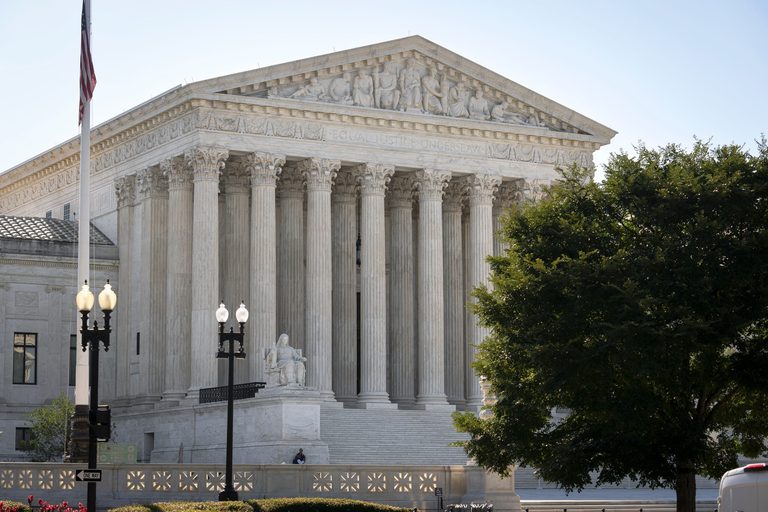
The nation’s highest court stepped in on Friday to pause a lower‑court ruling that had barred Republican campaign committees from receiving the same discounted television advertising rates that Democratic candidates enjoy under federal law. The unsigned emergency order, signed by the justices, temporarily blocks the Fourth Circuit’s decision while the Republican National Congressional Committee (NRCC) and the National Republican Senatorial Committee (NRSC) pursue a full appeal.
Why the decision matters for the 2026 midterms
Under the Federal Communications Commission’s media rules, political parties may purchase broadcast time at reduced rates during an election cycle. In March, the FCC clarified that party‑coordinated advertisements are entitled to those discounts. Democrats successfully sued to enforce the rule, arguing that the discounts should be limited to candidates, not the national party apparatus.
The Fourth Circuit sided with the Democratic plaintiffs, including Sen. Jon Ossoff of Georgia and former Sen. Sherrod Brown of Ohio, holding that the FCC’s interpretation could not be applied retroactively to the Republican committees. The Republican leadership argued that the decision would force them to pay higher prices, upsetting budget plans already set for the upcoming campaign season.
Trump administration backs the GOP’s emergency request
The Trump administration publicly supported the emergency appeal, emphasizing that the decision aligns with the administration’s broader effort to ensure a level playing field for all parties and to protect the constitutional right of free speech in political advertising. Administration officials noted that the ruling could help the GOP maintain its cash advantage and reach voters more efficiently as the November contests draw near.
Potential impact on campaign strategy
Cheaper TV ad rates could give Republican candidates and committees a significant boost in message reach, especially in swing districts where television remains a dominant medium. By securing lower costs, the NRCC and NRSC can allocate more resources to ground operations, voter outreach, and digital advertising.
Democrats, while still holding a fundraising edge in many individual races, may find themselves at a relative disadvantage if the GOP can stretch its advertising dollars further. The court’s temporary stay, however, leaves the ultimate outcome uncertain until the Supreme Court either grants a full hearing or lets the Fourth Circuit’s ruling stand.
What comes next?
The Supreme Court’s order is limited to preserving the status quo while the appeal proceeds. The justices have not indicated whether they will take up the case on its merits later this term. In the meantime, both parties are likely to adjust their media buying strategies in anticipation of the final decision.
For voters and campaign volunteers, the development underscores the importance of staying informed about how campaign financing rules shape the political landscape. As the midterm elections approach, the battle over advertising costs will be one of many factors influencing the race for control of Congress.
Original reporting: Alexandria, VA News – WTOP News — read the source article.