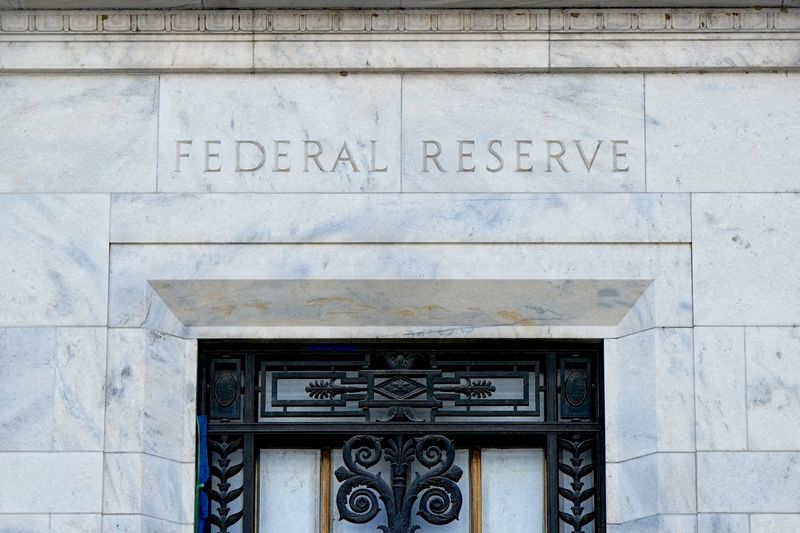
In a recent address in Tokyo, former Federal Reserve executive Donald Kohn highlighted the growing pressures on central bank independence due to supply shocks and increasing public debt. Speaking to a group of central bank executives from Japan, the U.S., and Europe, Kohn emphasized the challenges faced by central banks in maintaining low, stable inflation amidst external economic pressures.
Kohn pointed out that the energy crisis, exacerbated by the ongoing conflict in Iran, has created significant supply shocks, complicating the efforts of central banks to control inflation. He noted that falling real incomes could lead to public dissatisfaction, increasing the likelihood of political leaders blaming central banks for economic woes.
Political Pressures and Economic Challenges
According to Kohn, the political pressures faced by central banks are not unique to the United States, where President Trump has been vocal in his criticism of the Federal Reserve. These pressures are part of broader political and economic developments seen across many democracies. Kohn warned that political incentives to demand short-term relief could undermine the disciplined policy needed to address inflationary pressures that are beyond the control of monetary policy.
He also discussed the potential impact of rising public debt, which may keep interest rates above growth rates, further complicating the central bank’s ability to manage economic stability. Kohn cited President Trump’s calls for lower U.S. interest rates as an example of attempts to influence the Federal Reserve for budgetary reasons.
Maintaining Independence and Credibility
Kohn stressed the importance of central banks maintaining their independence, arguing that experience has repeatedly demonstrated its value. He advised central banks to protect themselves against attacks on their independence through discipline, focus, and clear communication. Kohn cautioned against over-reliance on economic models, advocating for a more narrative-driven approach to policy-making that considers the complexities of the economy.
In conclusion, Kohn’s remarks underscore the delicate balance central banks must maintain in navigating political pressures while ensuring economic stability. His insights serve as a reminder of the critical role central banks play in safeguarding the economy against both internal and external challenges.
Original reporting: Appleton, WI News Feed (HLL/CB) — read the source article.