The National Oceanic and Atmospheric Administration (NOAA) warns that a rapidly intensifying El Niño is on track to become a Super El Niño by October, with a near‑70% chance of ranking as the strongest El Niño ever recorded. Meteorologists say the phenomenon will peak this winter, when its influence on global weather patterns is most pronounced.
How a Super El Niño affects U.S. weather
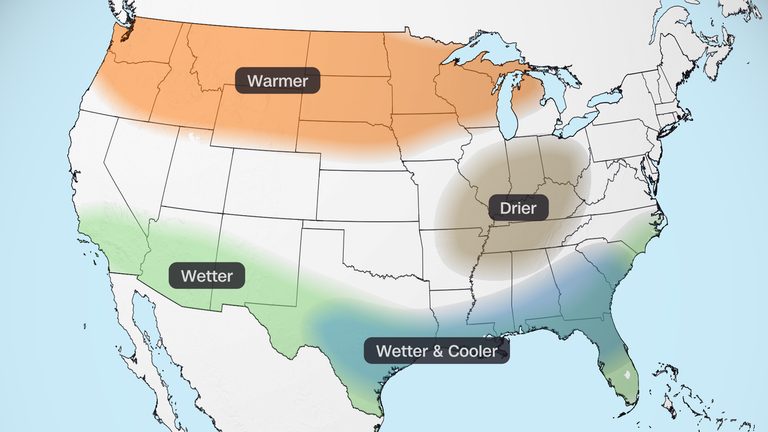
El Niño is a natural climate cycle marked by unusually warm water along the equatorial Pacific. The heat shifts atmospheric circulation, often moving the jet stream farther south than usual. This typically brings more storms, cooler temperatures, and increased precipitation to the southern tier of the country, while the northern tier experiences drier, warmer conditions.
For the upcoming winter, NOAA’s Climate Prediction Center projects above‑average temperatures across the entire northern United States—from the Pacific Northwest through the Midwest. More than half of the contiguous United States could see warmer‑than‑normal conditions, especially in the northern tier where the jet stream is expected to stay farther south.
Regional impacts to watch
Southern states, including Texas, the Gulf Coast, and the Southeast, are likely to see wetter weather. The Southeast, in particular, shows the highest confidence for increased precipitation. In contrast, the northern tier—including states such as Washington, Montana, and the Upper Midwest—faces a higher risk of dry, warm winter weather, reducing the likelihood of snow.
Florida may experience a heightened risk of severe thunderstorms during the winter months, while other Gulf‑Coast areas could see a dip in thunderstorm activity, according to climate scientist Michael Tippett of Columbia University.
Climate change and snowfall trends
Researchers note that a warming climate continues to reduce snowfall across the United States. Since 1970, annual snow totals have declined in nearly two‑thirds of the country, according to non‑profit Climate Central. While El Niño will be a major driver of this winter’s weather, the underlying trend of a warming climate remains a significant factor.
Only time will reveal the exact winter outcomes, but forecasters agree that the Super El Niño will be a dominant influence alongside ongoing climate change.
Original reporting: KTVZ (Central Oregon) — read the source article.