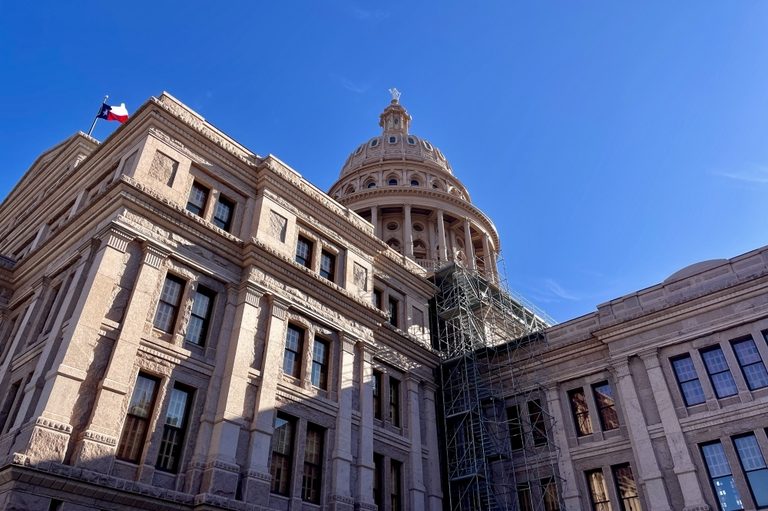
At a city‑council meeting on Oct. 20, Sugar Land leaders approved a set of priorities to guide the city’s engagement with the upcoming 90th Texas Legislative Session, which runs Jan. 12 through May 31, 2027. Intergovernmental Relations Manager Spencer Gutierrez explained that the city will work closely with state legislators to ensure local voices are heard on issues that directly affect residents and businesses.
Key Legislative Goals
The council’s agenda centers on two main objectives:
- Local control: Backing bills that allow municipalities to govern matters traditionally handled at the city level, preserving the ability of local officials to make decisions that reflect community values.
- Tax relief: Supporting legislation that reduces the tax burden on homeowners and businesses while safeguarding funding for essential public services such as police, fire, and infrastructure.
Gutierrez noted that the city has assembled a legislative task force composed of community members, city‑department representatives, and other stakeholders. This group will meet regularly to review the legislative agenda, provide feedback, and keep the public informed about the city’s positions.
How the City Will Engage
Throughout the session, Sugar Land staff will:
- Collaborate with state legislators and partner organizations before bills are filed and during the deliberation process.
- Maintain transparency by publishing task‑force meeting minutes, summaries of city positions, and opportunities for public comment.
- Educate lawmakers on the practical impact of proposed legislation on local government operations, budgeting, and service delivery.
These steps are intended to give legislators a clear picture of how statewide policies translate to everyday life in Sugar Land.
Recent Legislative Track Record
During the previous session, Texas lawmakers introduced more than 9,000 bills, but only about 1,200 became law. Gutierrez highlighted several successes for Sugar Land:
- Senate Bill 1173: Raised the billing threshold for certain municipal projects to $100,000, giving the city greater flexibility in financing improvements.
- House Bill 1902: Established formal penalties for bank “jugging,” protecting local businesses from fraudulent financial practices.
- Senate Bill 2217 and House Bill 2217: Created new public‑safety grant programs that will fund equipment and training for emergency responders.
The city also opposed a proposal to eliminate May elections, a measure that ultimately failed to pass.
Timeline and Next Steps
Legislators can begin filing bills on Nov. 9, with a final filing deadline of March 12. While the regular session is slated to adjourn on May 31, the governor may call special sessions if additional legislative work is needed.
Residents are encouraged to stay engaged through the task force’s public meetings, online updates, and direct outreach to their city council members. By participating, community members can help shape the policies that affect everything from property taxes to public‑safety funding.
Why This Matters to Sugar Land Families
Maintaining local control and limiting tax increases aligns with the values of traditional families who rely on stable, well‑funded services for their children’s safety and education. The city’s proactive approach demonstrates a commitment to responsible governance, fiscal prudence, and transparent communication—principles that resonate with faith‑guided citizens who cherish community stewardship.
Original reporting: Community Impact — Sugar Land — read the source article.