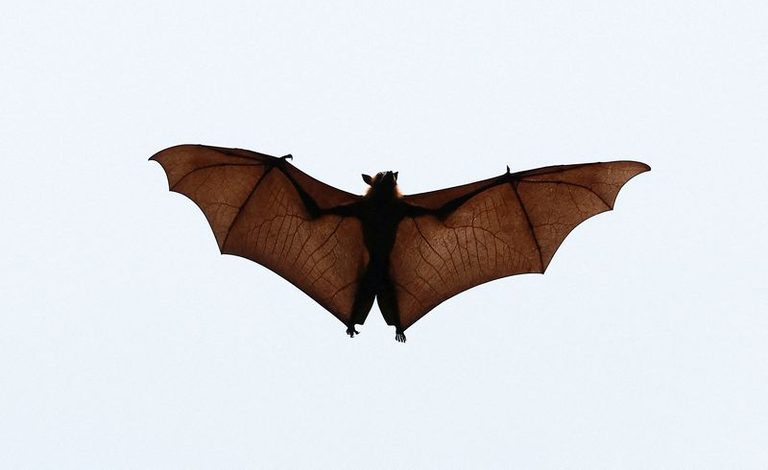
Researchers have assembled the largest collection of high‑quality bat genomes ever—103 species covering all 21 recognized bat families—and combined this with 44 fossil specimens to build a comprehensive bat family tree.
The analysis indicates that the earliest bats appeared in Europe roughly 65 million years ago, in the wake of the asteroid impact that ended the age of the dinosaurs. From there, they quickly expanded to other continents, reaching Africa soon after, while Antarctica remained the only continent never inhabited by bats.
Flight and Echolocation Evolved Together
Scientists also concluded that the ability to fly and the biological sonar system known as echolocation emerged near the dawn of bat evolution. “Being able to do both, fly and echolocate, opens up the most amazing opportunities to move into new niches,” said Sonja Vernes, professor of biology at the University of St Andrews and a lead author of the study published in Nature.
Emma Teeling, a zoology professor at University College Dublin, added that echolocation allowed bats to become nocturnal, avoiding competition with birds and predation by day‑active birds.
Implications for Science and Medicine
The study’s findings also lay groundwork for future research into why many bat species show remarkable disease resistance and unusually long lifespans. “This work could eventually inform human research into aging, immunity and disease resistance,” Teeling noted.
While the oldest known bat fossils date to about 52 million years ago, the new genetic and anatomical data help pinpoint the origination date of bats more precisely.
Bat Diversity Today
Today, more than 1,500 bat species make up over a fifth of all mammal species worldwide. They range from the giant golden‑crowned flying fox of the Philippines, with a 5½‑foot wingspan, to the tiny bumblebee bat of Thailand and Myanmar, whose wings span just five inches. Bats fulfill vital ecological roles, pollinating plants, dispersing seeds, and consuming massive quantities of insects.
“Bats constantly surprise us. They’re one of evolution’s greatest experiments,” Vernes said.
Original reporting: Appleton, WI News Feed (HLL/CB) — read the source article.