As NASA and private companies push toward longer stays on the Moon and eventual trips to Mars, scientists are probing a fundamental question: can humans reproduce in space? Reproductive biologist Nicole McPherson, prompted by a personal query from her husband, led a series of experiments that reveal significant challenges posed by microgravity.
Microgravity Disrupts Sperm Navigation
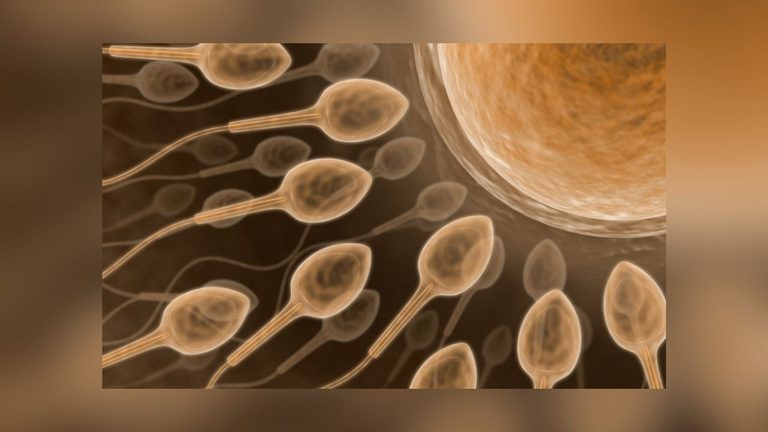
Using a clinostat to mimic weightlessness, McPherson and colleagues at the University of Adelaide tested human, mouse and pig sperm. While the sperm kept moving, fewer were able to navigate narrow channels that simulate the female reproductive tract. The team reported roughly a 50% drop in successful navigation for human and mouse sperm compared with normal gravity, and fertilization rates with mouse eggs fell about 30%.
Early Embryo Development Also Affected
When mouse embryos were exposed to simulated microgravity during the first 24 hours after fertilization, fewer developed successfully. Those that did showed delayed growth and contained fewer cells at critical early stages. Similar results were observed with pig cells.
Hormone May Help Mitigate Effects
The researchers found that adding progesterone, a hormone naturally released around ovulation, improved sperm navigation under simulated microgravity, suggesting a possible avenue for counteracting the gravity‑related challenges.
Radiation Adds Another Layer of Risk
Beyond weightlessness, astronauts face heightened exposure to cosmic radiation, which can damage DNA and cells. Studies of mouse embryos flown on China’s Shijian‑10 satellite showed DNA‑related chemical changes similar to those caused by low‑level radiation. While spacecraft shielding can reduce exposure, high‑energy particles can still penetrate and generate secondary radiation inside the vessel.
Implications for Future Space Settlements
These findings indicate that reproductive hurdles in space could arise at multiple stages—from sperm motility to embryo development—rather than being limited to fertilization alone. Understanding how gravity and mechanical forces influence reproduction may also yield insights for fertility treatments on Earth.
As humanity prepares for longer missions beyond Earth, researchers stress that more work is needed to determine how full‑term pregnancy, fetal development, and post‑birth health would fare under prolonged microgravity and radiation exposure.
Original reporting: The Dallas Express — read the source article.