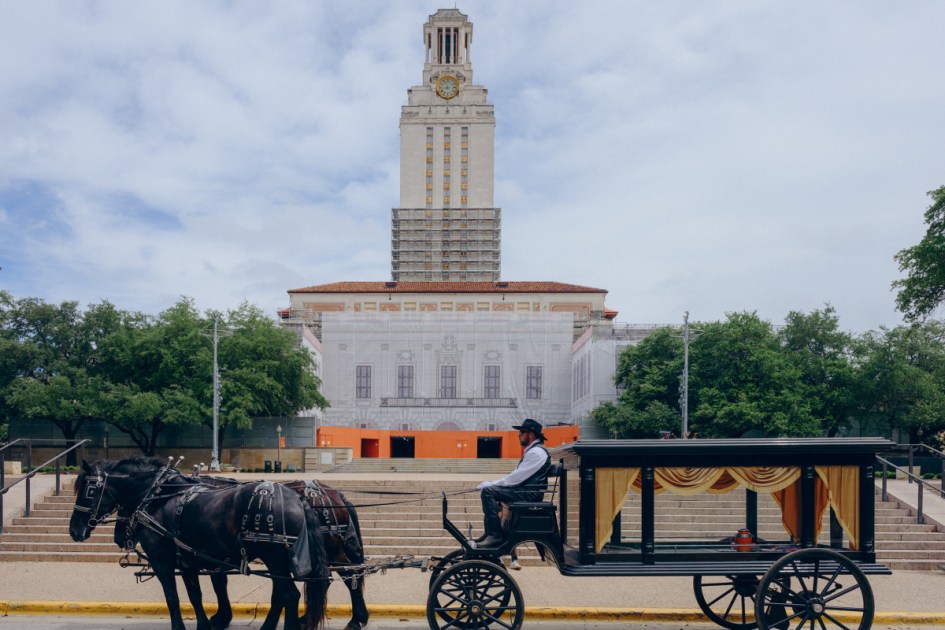
Students and professors across Texas staged mock funerals to dramatize what they call the slow death of higher education from political meddling, while university leaders push back saying campus policies are being updated to meet changing demands. The protests unfolded at multiple campuses, drawing attention from local communities and state officials as debate over academic direction heats up.
The staged funerals are loud and visual, and organizers want people to notice. For many participants, donning black and carrying signs felt like the only way to cut through the noise and get the public to ask why classrooms and curricula seem so unsettled. The imagery sticks with voters and taxpayers, so it has become a natural tool for those who believe politics has invaded higher education.
University administrators deliver a different message: they are adjusting programs to match shifting student needs and labor market realities. That line sounds reasonable, and presidents often point to enrollment data and budget pressures as the real drivers of change. From that perspective, decisions that look like political interference to protesters are framed as pragmatic responses to declining majors, tight budgets, or evolving career fields.
For a Republican reader, both sides should be scrutinized. If campus leaders are trimming programs to chase fads or to avoid uncomfortable debates, that is a problem. But if reform is aimed at boosting employability and fiscal responsibility, the public should know that colleges are not immune from market signals. The question becomes whether adjustments are policy-driven or politically motivated.
Faculty members involved in the protests argue they are defending academic freedom and meaningful scholarship. Those concerns deserve attention because universities exist to challenge orthodoxy and train critical thinkers. When curricular choices are driven by political boxes rather than academic standards, that undermines the mission. Voters expect higher education to prepare graduates for life, not to serve as an echo chamber.
Students show up too, and their voices are often the most persuasive. Many are worried about the value of their degrees and the cost attached to them. The optics of a mock funeral make that anxiety plain: tuition dollars should buy knowledge and opportunity, not ideological signaling. Lawmakers and boards that fund higher education need to listen instead of reflexively defending institutions.
State officials and university trustees have roles here, and they should be held accountable. Responsibility for public universities lies with citizens and their representatives, who are right to ask whether institutions are delivering results. Robust oversight does not mean censorship, but it does mean insisting on transparency, measurable outcomes, and adherence to core academic standards.
At the same time, protesters who want to preserve debate must avoid demanding protections that silence alternative viewpoints. True academic freedom includes a marketplace of ideas where conservative, libertarian, and traditional perspectives have equal footing. If campuses drift toward orthodoxy of any stripe, the public interest is harmed and political cynicism grows.
The debate playing out in Texas will matter beyond state lines because how universities respond to criticism sets a pattern. If reforms focus on student success, career readiness, and honest inquiry, that should quiet some critics. If changes are made to appease special interests or to push one political agenda, expect the protests to spread and for elected officials to take a closer look at governance and spending.