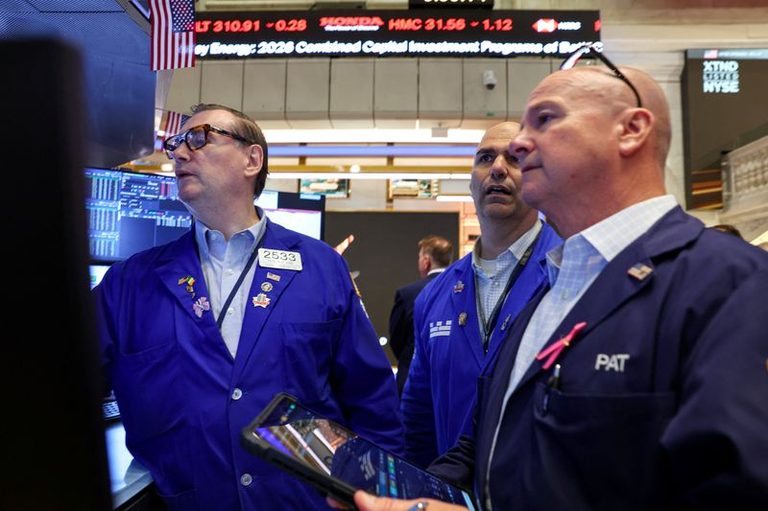
Investors across the nation are watching closely as Treasury yields climb, yet the S&P 500 remains less than 3% below its August 13 record high. The market’s steadiness reflects confidence in the AI boom and solid earnings growth, which appear to outweigh concerns about higher borrowing costs.
AI Momentum Keeps Growth Stocks Alive
Rising yields typically pressure high‑growth stocks because future profit expectations lose value when discount rates rise. This time, however, tech giants such as Apple and Microsoft are trading just below their record levels, driven by an AI surge that shows few signs of slowing. Chip makers have faced a modest pullback, but analysts note the recent dip follows a period of extraordinary gains and may simply be a natural correction.
“We’re leaning more into semiconductors; we think there’s going to be an even tighter supply‑demand dynamic next year when it comes to memory,” said Laura Cooper, global investment strategist and head of macro credit at Nuveen.
Earnings Growth Outpaces Yield Concerns
Second‑quarter earnings for S&P 500 companies are projected to have risen 53% year‑on‑year, or 49.5% when the energy sector is excluded, according to LSEG I/B/E/S data. Profit forecasts for 2026 anticipate a 35% jump, a sharp increase from the 14% growth recorded last year.
Alphabet and Amazon reported strong cloud‑computing growth, with adjusted earnings expanding 35% after stripping out mark‑to‑market gains. “The double headwinds of rising bond yields and oil prices are now testing the market’s resilience, but stocks have not lost their key pillar of support, which is fast‑rising earnings,” said Angelo Kourkafas, senior global strategist‑investment strategy at Edward Jones.
Consumer Spending Remains Robust
The U.S. economy continues to demonstrate resilience despite price pressures from the ongoing Iran conflict. Job growth accelerated sharply in August, especially in leisure and hospitality, after two months of decline. Analysts at Aberdeen noted that consumers, labor markets, and corporate balance sheets have held up better than feared.
While inflation remains elevated, consumer spending stays strong, with the Bureau of Economic Analysis revising first‑half spending estimates up to 3.4% from an initial 3.2%, underscoring the durability of personal consumption that drives two‑thirds of U.S. economic activity.
Small‑Cap Stocks Shine Amid Higher Rates
Although smaller firms typically rely on external borrowing and can be vulnerable to higher rates, the Russell 2000 index has outperformed the S&P 500 this year, buoyed by solid earnings and investor interest beyond mega‑cap tech names. Recent pullbacks have trimmed the index more than 5% from its mid‑August peak, but many expect the momentum to resume.
“Almost all of the lead was built in the first half, when the domestic growth story was doing the heavy lifting: reshoring, an M&A pickup, deregulation and earnings that are far more levered to the U.S. economy than to the mega‑cap AI trade,” said Tracy Shuchart, senior economist at NinjaTrader. “If the Fed holds, that is a tailwind for the Russell, because the group has the most to gain the moment the market stops pricing higher for longer.”
Stocks and Bonds Move Together
Historically, investors flee to bonds during economic stress, causing stocks to fall. This cycle has shifted as the Iran conflict lifted oil prices and stoked expectations of further rate hikes, pushing global government yields to multi‑year highs. Analysts note a post‑COVID positive correlation between equities and bonds, meaning both asset classes can rise together, reducing the traditional safety‑net appeal of bonds.
Strategists at HSBC observed, “Given that sovereign bonds no longer diversify or hedge risk assets as effectively, allocations to bonds have been falling while investors have turned to short‑term hedging strategies. Allocations to equities have surged, supporting higher valuations.”
Overall, the market’s ability to stay near record highs despite yield pressures highlights the strength of AI‑driven growth, resilient consumer spending, and robust corporate earnings—key pillars supporting the U.S. economy’s continued expansion.
Original reporting: Appleton, WI News Feed (HLL/CB) — read the source article.