There are places you visit, and then there are places that visit you — that linger in your chest long after you have driven home and unpacked your bags. The Martin Luther King Jr. National Historical Park in Atlanta’s Sweet Auburn neighborhood is unquestionably the latter. I have been to this place more than once, and every single time I leave feeling both humbled and quietly electrified.
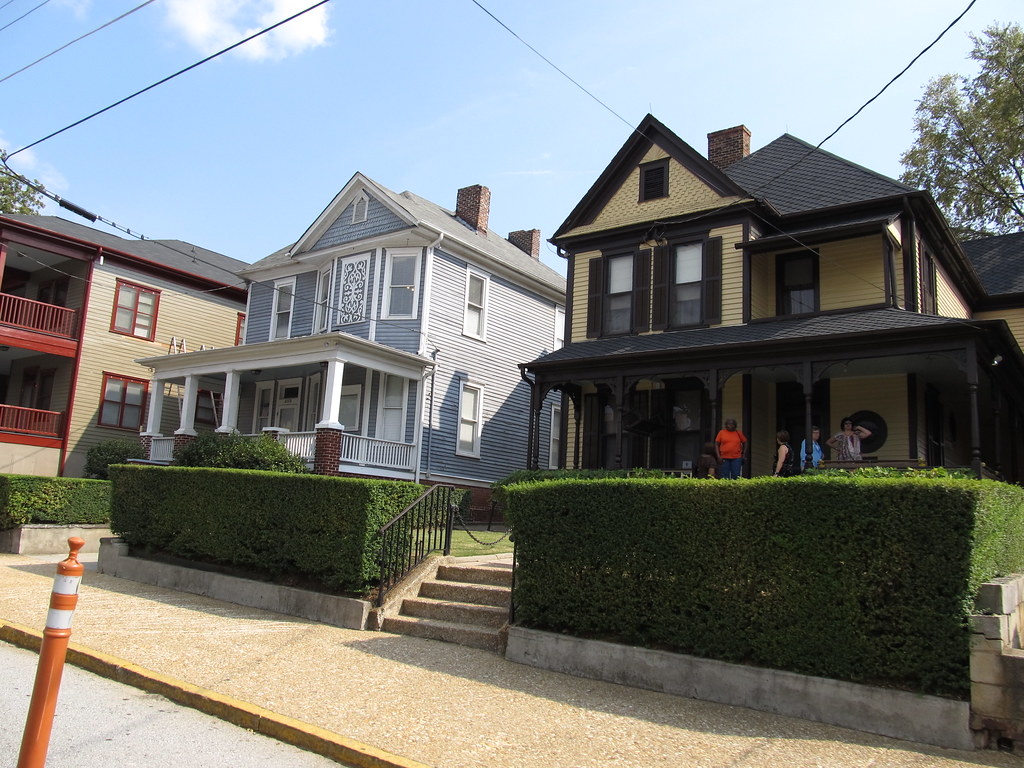
The park, managed by the National Park Service, is not a single building but an entire living block of American history. It encompasses the birth home of Dr. King at 501 Auburn Avenue, the historic Ebenezer Baptist Church where he and his father both preached, the King Center with its stunning memorial pool and Dr. King’s marble tomb, and the visitor center that anchors the whole experience with thoughtful, deeply moving exhibits. You could spend two to three hours here without ever feeling rushed, and I would honestly argue that the slower you go, the richer the experience becomes.
Start at the National Park Service Visitor Center on Auburn Avenue. Rangers offer free guided tours of the birth home — a beautifully preserved Queen Anne Victorian where young Michael King Jr. came into the world on January 15, 1929. Standing in those rooms, looking at the parlor furniture and the modest kitchen, you feel the ordinary humanity behind an extraordinary life. It is grounding in the best possible way.
From there, walk the tree-lined avenue toward Ebenezer Baptist Church. The original sanctuary, now a National Historic Site, seats visitors for a recorded sermon so evocative you may forget for a moment that you are a tourist and not a congregant. The acoustics, the stained glass, the weight of history pressed into those wooden pews — it is an experience unlike anything else in the city.
The King Center, founded by Coretta Scott King in 1968, sits just steps away. Dr. King’s crypt rests on a long raised platform surrounded by a reflecting pool, with an eternal flame burning at one end. It is serene and solemn and genuinely beautiful. The Freedom Hall complex beside it houses personal artifacts, his Nobel Peace Prize, and rotating exhibits that connect his legacy to ongoing civil rights conversations today.
Sweet Auburn itself is worth exploring before or after your visit. The neighborhood has deep roots in Atlanta’s Black business and cultural history, and several local spots nearby make for a meaningful full-day itinerary.
Admission to the park grounds and visitor center is free, though timed tickets for the birth home tour are required and go quickly — book them at recreation.gov before your trip. The park is accessible by MARTA’s King Memorial station, which makes getting here genuinely easy from anywhere in the city.
Atlanta has no shortage of remarkable things to see and do. But if you only have one afternoon and you want to understand this city — its soul, its struggle, its towering contribution to American life — start here on Auburn Avenue. You will not regret a single step.