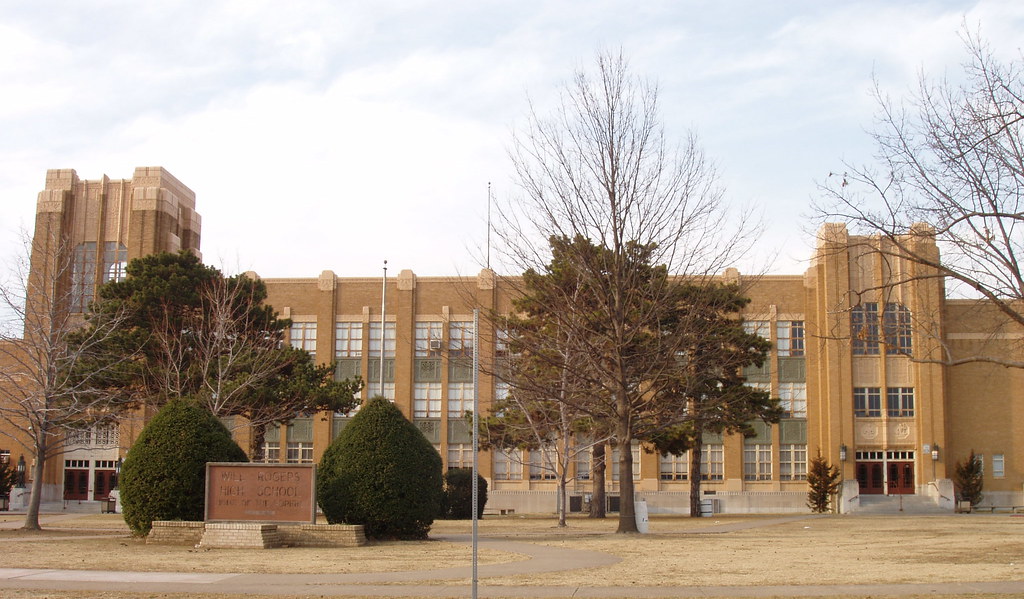
There is a moment, standing on the corner of Fifth and Boston in downtown Tulsa, when the city stops feeling like a modern American metropolis and starts feeling like a dream someone had in 1929. The terra cotta flourishes climb the facades of buildings like frozen music. The geometric sunbursts, the chevrons, the gleaming metalwork — it is all still here, almost impossibly intact, and the Tulsa Art Deco Museum is your front door into understanding exactly why this city became one of the greatest concentrations of Art Deco architecture anywhere in the world.
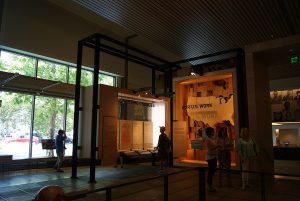
Tucked inside the restored Philcade Building on South Boston Avenue, the museum is compact but punches well above its weight. Walking in, you are immediately greeted by original architectural fragments, vintage photographs, and interpretive displays that tell the story of Tulsa’s oil boom years — the wild, combustible decade when black gold turned this prairie city into a confident, strutting metropolis that hired the best architects money could buy and told them to make something magnificent. And they did.
The exhibits trace the movement from its Parisian roots through its American flowering, explaining why Tulsa embraced it so completely. When a city builds its entire downtown in a single white-hot economic moment, you get coherence. You get unity. You get a streetscape that still stops photographers dead in their tracks nearly a century later. The museum contextualizes all of this beautifully, connecting the ornamental details you see on buildings outside to the broader cultural ambitions of a city that very much wanted the world to take it seriously.
What makes a visit here genuinely special is that the museum is not just a room to pass through — it is a launching pad. The staff and docents are enthusiastic advocates for the surrounding district, and they will happily point you toward a self-guided walking tour that threads through the nearby blocks. The Boston Avenue Methodist Church alone, a soaring National Historic Landmark just a short walk away, is worth the trip from anywhere. The Philtower, the Atlas Life Building, the Union Depot — each one is a chapter in the same exuberant story.
Plan to spend at least a couple of hours here, including your time walking the surrounding blocks. Wear comfortable shoes, bring a camera, and go on a weekday morning if you can — the light hits those bronze and terra cotta surfaces in a way that will make you understand why architectural photographers have been making pilgrimages to Tulsa for decades.
Admission to the museum itself is free, which feels almost absurd given the quality of the experience. Tulsa’s Art Deco district is one of those rare travel discoveries that rewards the curious traveler and leaves the casual one completely astonished. Either way, you will leave downtown looking at American cities differently than you did before you arrived.