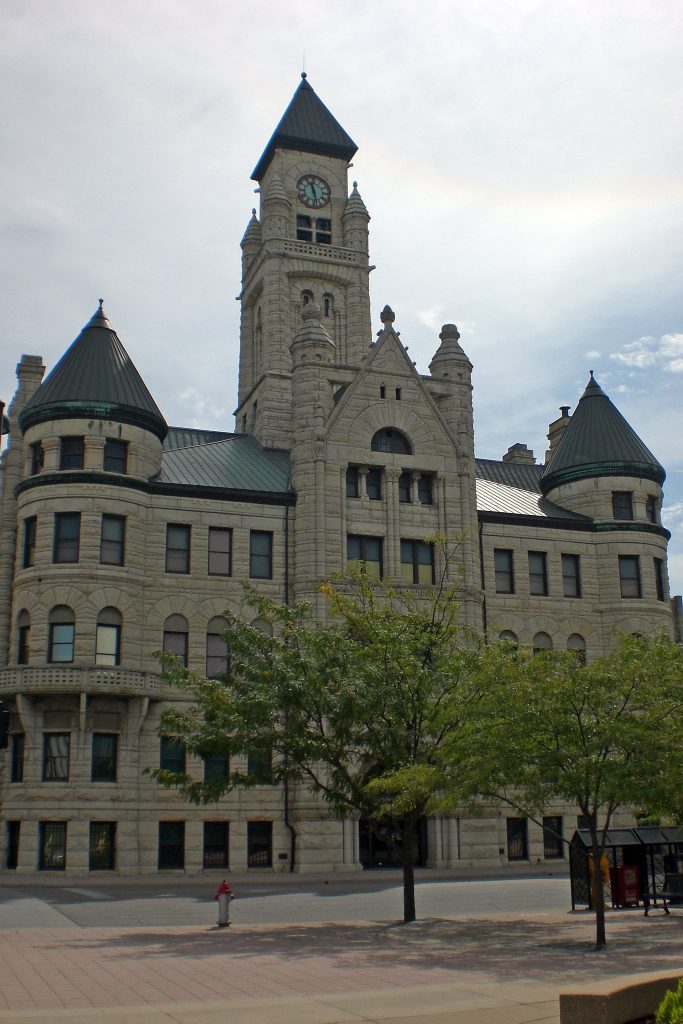
There are places that simply stop you in your tracks, and the Wichita-Sedgwick County Historical Museum, tucked inside the grand 1892 City Hall building in the heart of downtown, is absolutely one of them. From the moment you push open those heavy doors and step onto the original tile floors, you feel it — that particular electricity of a place that has genuinely earned its stories.
The building itself is half the draw. This Romanesque Revival landmark sat at the center of Wichita’s civic life for decades, and the museum’s curators have been smart enough to let the architecture do some of the talking. Soaring ceilings, arched windows, and wrought-iron details frame exhibits that trace the full arc of the city’s history — from its days as a roaring cattle-trade hub on the Chisholm Trail all the way through the aviation boom that helped define the modern Wichita we know today.
What makes this museum feel different from the standard regional history museum is how personal it gets. You’re not just reading plaques about abstract historical forces. You’re looking at actual artifacts — a marshal’s badge from the wild-and-woolly 1870s, beautifully preserved Native American beadwork, early oil-field equipment, and an entire section dedicated to the everyday domestic lives of Wichita families across generations. There’s something genuinely moving about seeing a child’s handmade doll or a worn leather ledger sitting under glass, connecting you to people who walked these same streets more than a century ago.
The Chisholm Trail exhibit deserves special mention. Wichita was a critical terminus on that legendary cattle route, and the museum does a superb job of conveying the sheer scale and drama of what that meant — the drovers, the cattle barons, the tensions, the commerce, and the characters who made the city’s early reputation as wild as any place west of the Mississippi. It’s vivid, well-researched storytelling presented in a way that never feels like homework.
Rotating special exhibitions keep things fresh for repeat visitors, and the knowledgeable docents — many of them genuine local history enthusiasts — are happy to dig deeper if you have questions. This is not a rush-through kind of place. Plan for at least ninety minutes if you want to do it justice.
Admission is remarkably affordable, parking downtown is easy on weekends, and the museum sits just a short walk from the Old Town district, so you can easily pair your visit with lunch or dinner at one of the neighborhood’s excellent restaurants. Whether you’re a lifelong Wichita resident or a first-time visitor trying to understand what makes this city tick, the Historical Museum delivers that understanding in the most engaging way possible. Go. You’ll leave knowing this place far better — and liking it far more.