There is a certain kind of place that sneaks up on you. You walk in expecting a quiet afternoon, maybe a polite glance at a few old photographs, and you walk out two hours later with your mind genuinely rearranged. That is exactly what happened to me the first time I visited the Upcountry History Museum in downtown Greenville, and it has happened every time since.
Situated in the heart of the city on Academy Street, just a short stroll from Main Street’s restaurants and boutiques, the Upcountry History Museum is a Smithsonian Affiliate — a distinction that carries real weight. It means the collections, the curation, and the storytelling meet a standard that most regional museums can only aspire to. Yet somehow, this place remains refreshingly unhurried. You can actually linger in front of an exhibit without bumping into a tour group every thirty seconds.
The museum is dedicated to the history and culture of South Carolina’s Upcountry region — roughly the northwestern corner of the state, from the foothills of the Blue Ridge Mountains down through the Piedmont. That sounds like a narrow focus, but the stories it contains are anything but small. The textile industry that once powered this entire region, the Revolutionary War battles fought on these red-clay hills, the Civil Rights movement in the Upstate, the Cherokee Nation whose homeland this was long before European settlers arrived — all of it is here, told with care and without flinching.
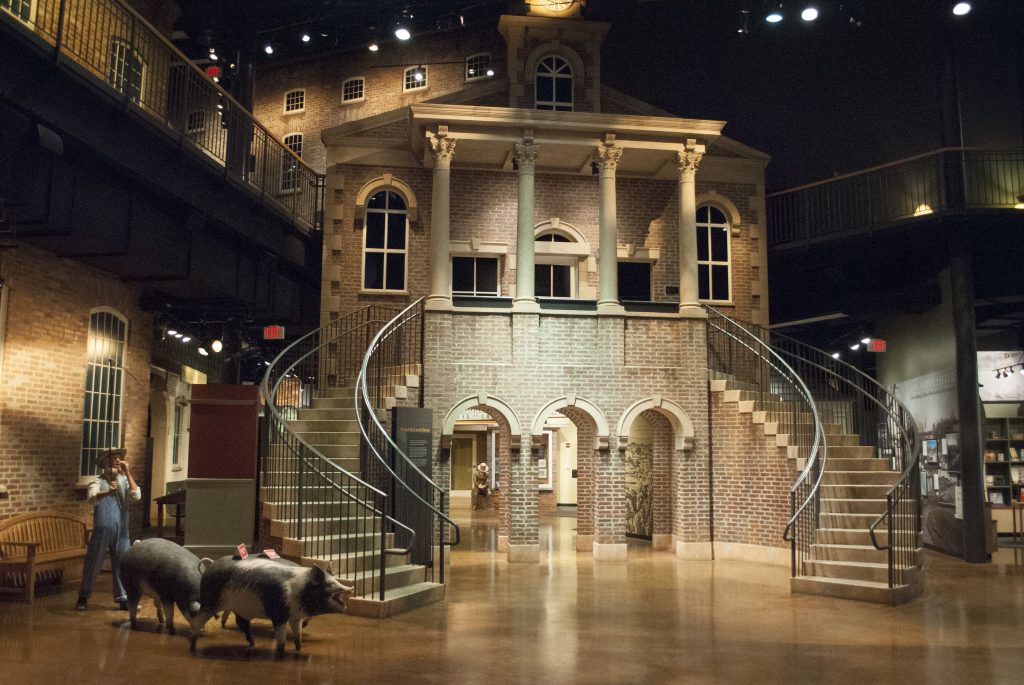
The permanent galleries are thoughtfully designed, using artifacts, interactive displays, and multimedia elements that feel modern without being gimmicky. One of my favorite features is a recreated 1920s textile mill room that gives you a visceral sense of what daily life looked like for the thousands of mill workers who built this region’s economy with their hands. The sound design alone is worth the price of admission.
Speaking of which, admission is remarkably reasonable, making this an excellent option for families, history buffs, or anyone who just wants to spend a meaningful afternoon indoors. The rotating special exhibitions keep things fresh, so even repeat visitors have reason to come back. Past exhibitions have tackled subjects as varied as Upcountry food traditions and the cultural legacy of local music.
The staff here genuinely love what they do, and it shows. I have struck up more than one spontaneous conversation with a docent who pulled out a detail or a story that wasn’t on any placard — the kind of context that transforms a display case into something you actually feel.
If you want to understand why Greenville is the city it is today — energetic, proud, and layered with history — the Upcountry History Museum is the place to start. Give it an afternoon. It will earn every minute.