There is a place in the heart of downtown Little Rock where Arkansas tells its own story — in its own words, through its own photographs, in its own handwriting — and somehow, not nearly enough people know about it. The Butler Center for Arkansas Studies, tucked inside the Central Arkansas Library System’s main branch on Louisiana Street, is the kind of discovery that makes you cancel your afternoon plans and stay until closing time.
I walked in expecting a quiet archive. What I found was a living, breathing cultural institution that manages to feel like a great library, a fascinating museum, and a community gathering place all at once. The building itself is welcoming and modern, right in the thick of the downtown grid, easy to reach whether you’re staying at a nearby hotel or just wandering after lunch. Parking is genuinely easy, which in downtown anywhere is already a small miracle.
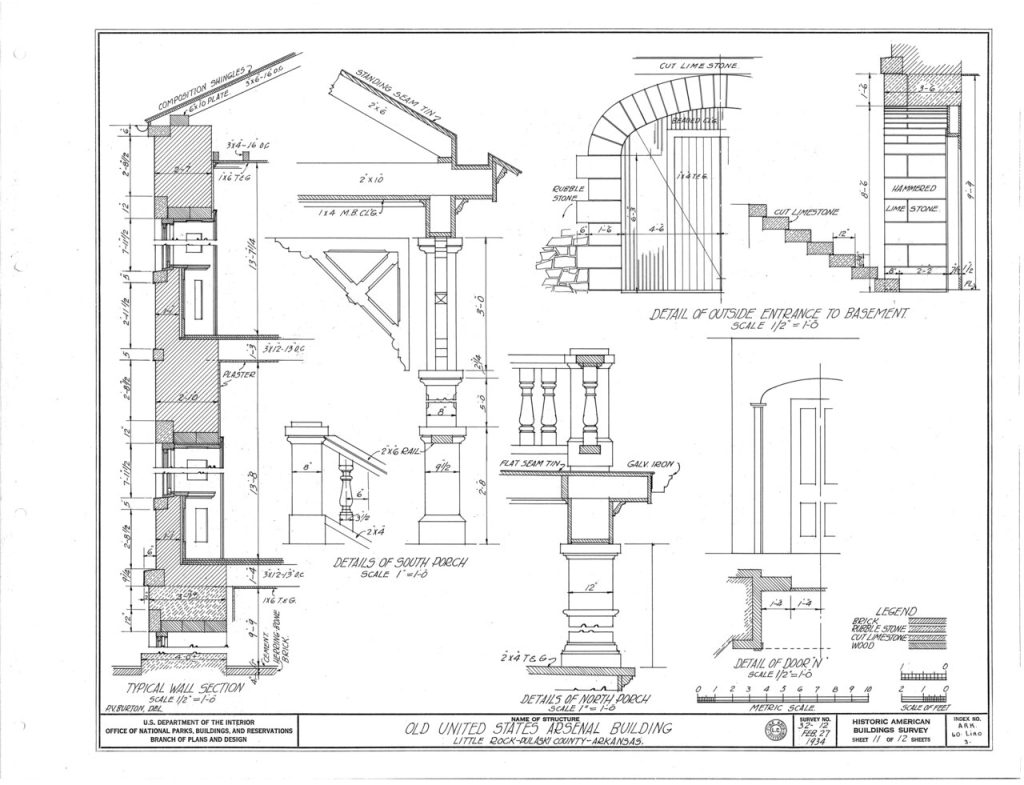
The Butler Center holds one of the most significant collections of Arkansas history and culture in existence. We’re talking thousands of photographs, rare books, maps, oral history recordings, manuscripts, and artifacts spanning centuries of life in this state. But here’s what sets it apart from a dusty back-room archive: the staff are extraordinarily approachable, the reading room is open to the public at no charge, and the rotating gallery exhibitions are thoughtfully curated and genuinely engaging for people of all ages.
On my visit, the gallery featured a beautifully assembled exhibition on Arkansas music history — and I mean the full picture, from Delta blues and gospel to rockabilly and beyond. There were vintage concert posters, handwritten set lists, and listening stations where you could actually hear the music. It felt immersive without being gimmicky. These exhibitions change throughout the year, so there is always a reason to come back.
What I keep thinking about, though, is the research room. Even if you have no personal genealogical mission, sitting at one of those tables and flipping through a bound volume of historic Arkansas newspapers or browsing a collection of century-old portrait photographs of ordinary Arkansans is a surprisingly moving experience. History stops feeling abstract very quickly.
The Butler Center also hosts public programs — author talks, film screenings, lectures, and community conversations — most of them free. It functions as a genuine civic anchor, the kind of institution a city should be proud of and visitors absolutely should seek out.
If you have been to Little Rock before and skipped this one, consider this your formal invitation to go back and get it right. Admission is free, the hours are generous, and the experience of spending even an hour here will change how you think about this city and this state. That is a promise worth keeping.