There is a particular kind of quiet that settles over you when you step onto the grounds of Lincoln’s New Salem State Historic Site, located about twenty miles northwest of Springfield near the town of Petersburg. It is not the hushed reverence of a museum, where velvet ropes and climate-controlled air separate you from history. This is something rawer and more immediate — the creak of a split-rail fence, the smell of wood smoke drifting from a reconstructed hearth, the sight of a prairie horizon that looks almost exactly as it would have when a lanky young Abraham Lincoln arrived here in 1831 at the age of twenty-two, broke and largely unknown, and began the long work of becoming himself.
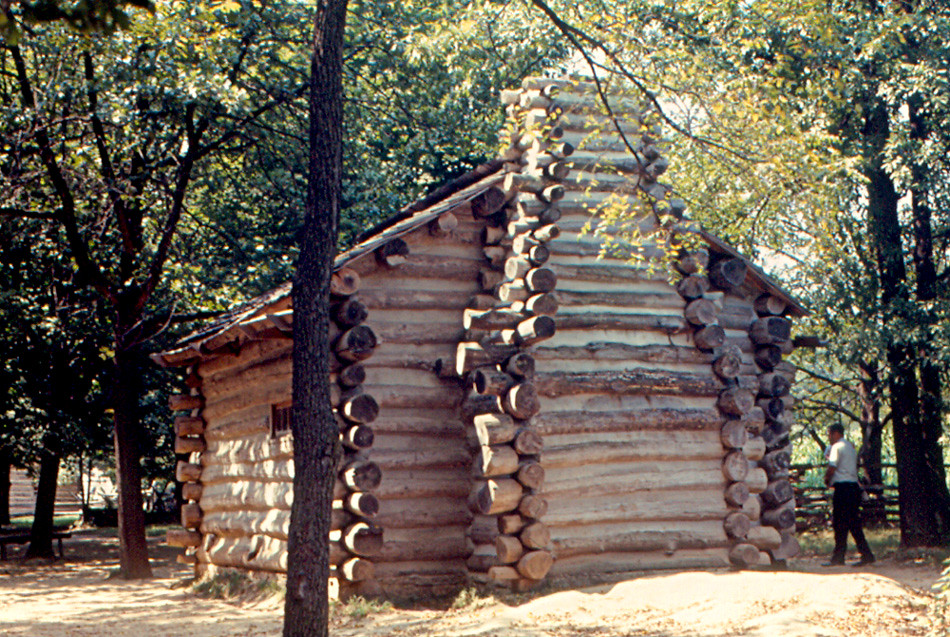
New Salem was where Lincoln lived for six formative years before moving to Springfield to practice law. The state of Illinois reconstructed the entire village on its original site beginning in the 1930s, and today it stands as one of the most authentic and immersive living-history sites in the entire Midwest. Roughly twenty-three log structures — homes, shops, a tavern, a gristmill — have been rebuilt on their original foundations using period-correct methods. The effect is not theme-park cute. It is genuinely transporting.
What makes a visit here so rewarding is the pace it invites. You are not shuffled through in a single direction. Wander into the Rutledge Tavern, where Lincoln is said to have boarded and where local legend links him to Ann Rutledge. Poke your head into the general store where he worked as a clerk and, famously, walked several miles to return a few cents he had accidentally overcharged a customer. Stand at the cooperage, the blacksmith shop, the school. Interpreters in period dress are on hand during peak season to answer questions and demonstrate trades, and they do so with genuine enthusiasm rather than rote recitation.
The surrounding park is beautiful in its own right. The grounds slope gently toward the Sangamon River, and the trails threading through the site offer easy walking amid wildflowers and native grasses. Bring a picnic — there are shaded tables and plenty of open lawn. In summer, the site hosts living-history weekends, candlelight tours, and theatrical productions that bring the village to vivid life after dark. Even on an ordinary Tuesday afternoon in shoulder season, you are unlikely to feel rushed or crowded.
Admission is free, which feels almost absurd given how much is on offer. Parking is plentiful, and the drive from downtown Springfield through the central Illinois countryside is genuinely lovely, especially in spring and fall. Allow yourself at least two to three hours, more if your curiosity runs deep.
Springfield rightly claims Lincoln, but New Salem is where Lincoln claimed himself. That distinction matters, and standing on these grounds, surrounded by the life he lived before greatness found him, makes it feel completely real.