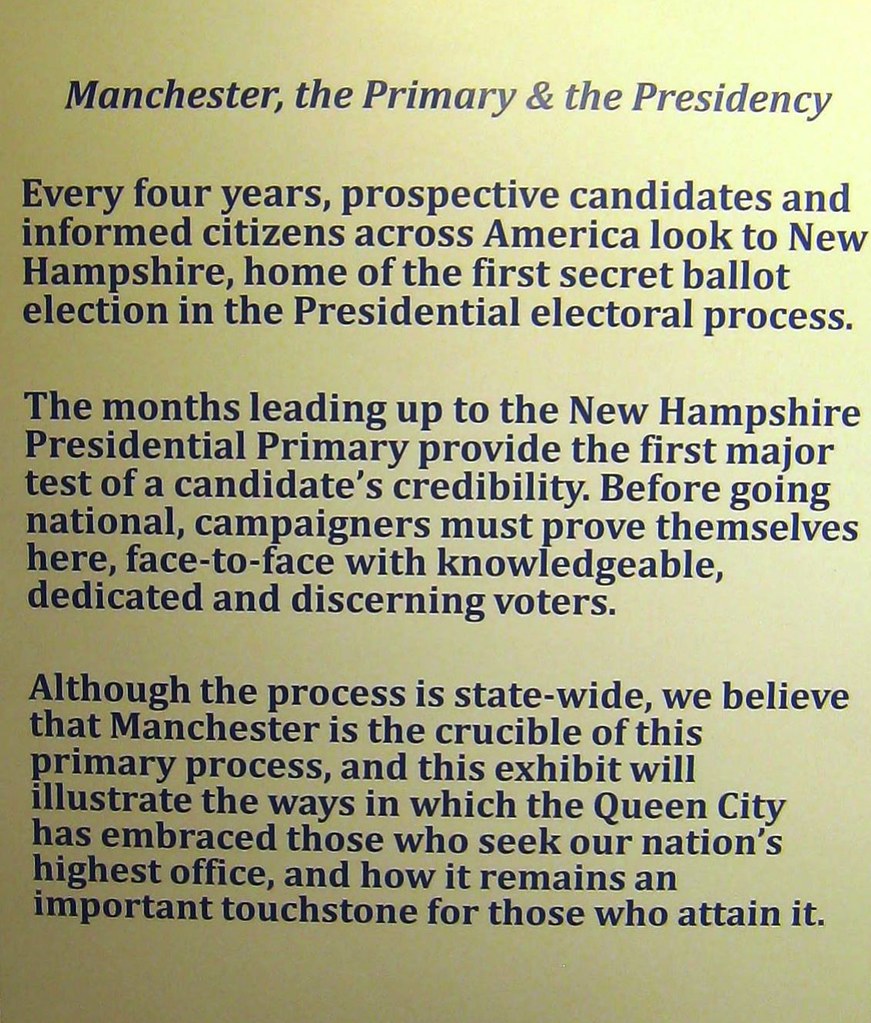
There is a moment, somewhere between the scale model of the Amoskeag Manufacturing complex and the thundering loom demonstration, when it hits you: Manchester, New Hampshire was once the largest textile manufacturing city in the entire world. Not just in New England. The world. And the Millyard Museum, tucked into the southern end of the historic mill district along the Merrimack River, is the place where that staggering fact becomes something you actually feel rather than simply read.
The museum sits inside a beautifully restored 1905 mill building on Commercial Street, right in the heart of the Millyard — that grand corridor of red-brick giants that lines the riverbank and gives Manchester its unmistakable silhouette. The neighborhood itself is worth the visit on its own. Converted into tech offices, restaurants, and creative spaces, the Millyard hums with a different kind of industry these days, but the bones of its original purpose are everywhere. Walking in from the parking area, with those enormous facades rising on either side, you already feel the scale of what this place once was.
Inside, the museum does something rare: it makes industrial history genuinely moving. The story of the Amoskeag Manufacturing Company is told through photographs, machinery, personal artifacts, and oral histories that bring the workers — many of them immigrants from Quebec, Greece, Poland, and beyond — fully into focus. These weren’t abstractions. They were people who came to Manchester looking for a livelihood, raised families in the corporation-built tenement blocks nearby, and wove millions of yards of fabric that clothed Civil War soldiers and outfitted households across the country.
The working loom on the museum floor is a highlight that catches almost every visitor off guard. When the staff fires it up, the noise and motion are visceral in a way no photograph could ever replicate. You understand immediately why the mills were deafening, why lip-reading became a skill, why so many workers suffered hearing loss. It is history delivered through the senses, and it sticks.
The exhibits are well-paced and accessible for adults and older children alike, and the museum does a particularly fine job of connecting the nineteenth-century immigrant experience to Manchester’s ongoing identity as a city shaped by newcomers. That thread — from the French-Canadian boardinghouses of the 1880s to the Somali and Bhutanese communities of today — feels both historically grounded and quietly timely.
Plan to spend ninety minutes to two hours here, then walk north along the Millyard to grab lunch at one of the cafés or breweries that have taken up residence in the old mill spaces. The combination of the museum and the neighborhood around it adds up to one of the most satisfying half-days you can spend in southern New Hampshire. Go once and you will find yourself recommending it to everyone who visits.